
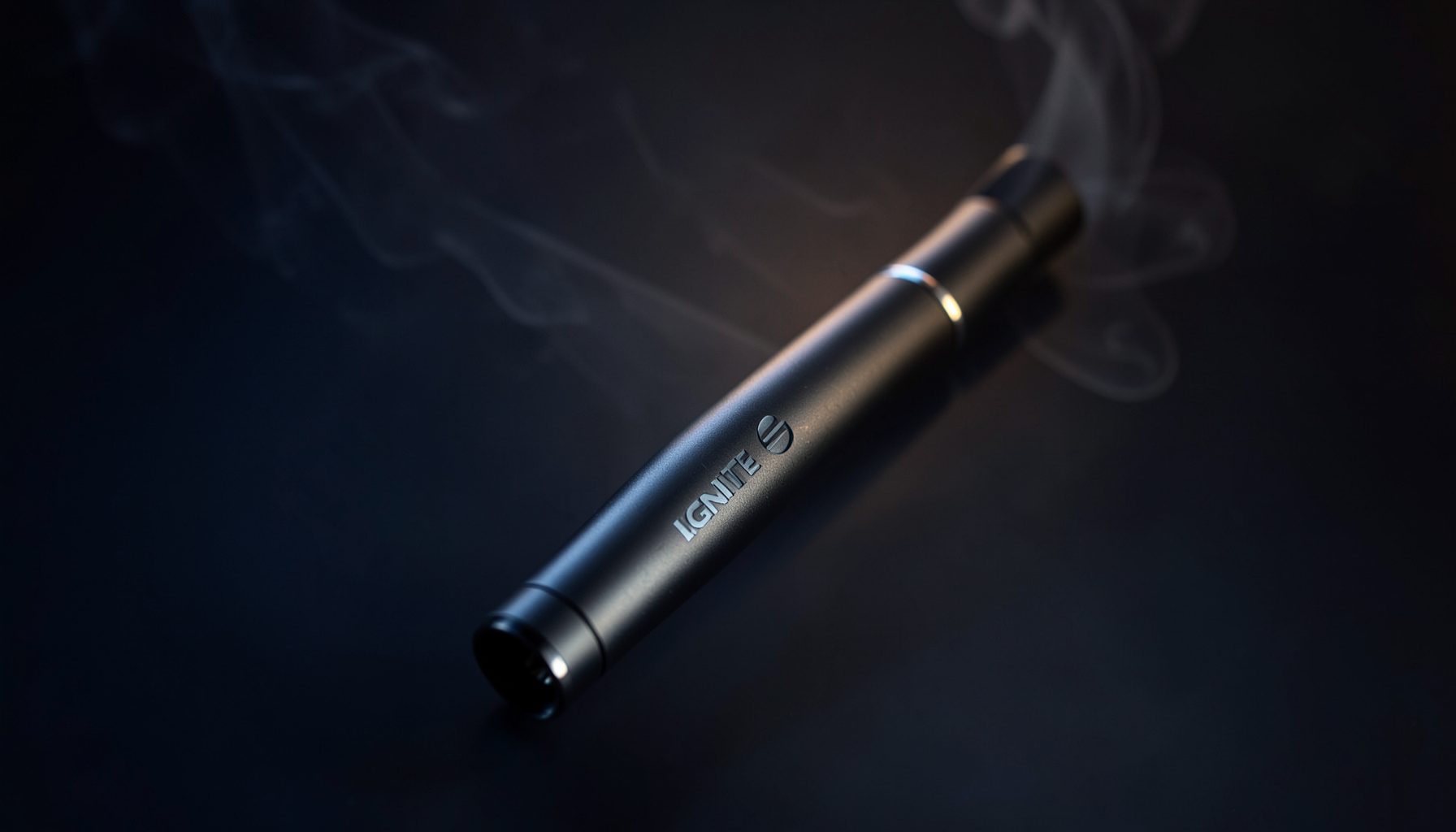
Traveling safely with IGNITE disposable vapes
Traveling with an IGNITE disposable vape requires more than placing a device in your bag and heading to the airport. Airline policies, airport security procedures, nicotine regulations, and destination-country laws can all affect whether you may carry, use, or purchase a vape during your journey.
The safest approach is to check the rules before leaving, keep the device protected, and carry it in the correct part of your luggage. IGNITE devices such as the V15, V25, and V60 may differ in size, battery capacity, and flavor format, so reviewing the product details before packing is useful.
A little preparation helps prevent confiscation, delays, accidental activation, and problems at customs. It also makes it easier to enjoy fruit, mint, or iced flavors responsibly once you reach a place where vaping is permitted.
Check airline and destination rules
Airlines generally require disposable vapes and other battery-powered vaping devices to remain in carry-on baggage or on your person. They should not be placed in checked luggage because lithium batteries can pose a fire risk in the aircraft hold. However, individual airlines may apply additional requirements, so check the carrier’s current policy before traveling.
The laws at your destination may be more restrictive than the rules in your departure country. Some locations permit possession but prohibit sales, while others restrict nicotine strength, flavored products, importing disposable devices, or vaping in public spaces. International travelers should review official customs and health-authority guidance rather than relying on assumptions based on local practice.
Pack the device securely
Keep each IGNITE vape in a protective pouch, small case, or original packaging. This reduces the chance of the mouthpiece collecting dust and prevents the device from being crushed by books, clothing, or other items. Avoid placing it loose with keys, coins, or metal accessories, since contact with conductive objects can create a battery hazard.
Do not attempt to open, refill, puncture, or modify a disposable device. If a model is designed for single use, do not connect it to a charger. For rechargeable versions, use only the charging method specified by the manufacturer and disconnect the device when it reaches the recommended charge. A vape that becomes unusually hot, swollen, damaged, or leaky should not be carried or used.
Navigate airport security carefully
Before reaching security, remove the device from tightly packed luggage if the airport or screening officer asks for electronics to be presented separately. Keep it easy to identify, and be prepared to explain that it is a disposable nicotine vaping product. Security procedures differ by airport, so follow the instructions given at the checkpoint without arguing or concealing the device.
Never vape in a security queue, aircraft cabin, airport restroom, or any other area where smoking or vaping is prohibited. Aircraft regulations commonly forbid using or charging vaping devices during the flight. Accidental activation can also create concern, so use a case or protective cover and ensure the device cannot be pressed while stored.
The following guide summarizes the usual approach, but official airline and government instructions take priority:
| Travel situation | Safer handling practice |
|---|---|
| Airport transfer | Keep the device accessible in carry-on baggage |
| Checked luggage | Do not pack a vape or spare lithium battery inside it |
| Security screening | Present the device when requested and follow local instructions |
| In-flight travel | Do not use or charge the device |
| Hotel or rental property | Check the property’s smoking and vaping policy |
| International arrival | Confirm import, nicotine, and flavor restrictions in advance |
| End of device life | Use an approved battery or e-waste disposal point |
Protect devices from heat and pressure
High temperatures can affect the battery, e-liquid, flavor, and external materials of a disposable vape. Do not leave an IGNITE device in a parked car, on a sunny dashboard, or beside a heater. During a road trip, keep it in a shaded part of the passenger compartment rather than in a hot trunk.
Air pressure changes during flights do not usually create a problem for an intact, properly stored device, but leaking can occur if a vape is damaged or exposed to extreme conditions. Store it upright when practical and keep it away from clothing or electronics. If e-liquid reaches your skin, wash the area with soap and water; if it gets into your eyes, rinse thoroughly and seek medical advice if irritation continues.
Use nicotine products responsibly
Travel can disrupt normal routines, which may lead some people to use a vape more often than intended. Keep track of how frequently you use the device, particularly when moving through long airport waits, social events, or unfamiliar time zones. Nicotine is addictive, and vaping products are intended only for adults who are legally permitted to purchase and use them.
Follow local rules about designated smoking areas and public consumption. A flavor that is permitted at home may be restricted elsewhere, and some hotels, cruise ships, workplaces, beaches, and public transport systems ban vaping entirely. Respecting these policies helps avoid fines and prevents exposure to other travelers.
If you are uncertain about a device specification, order detail, or travel-related product question, you can contact support before departure. Keep any order confirmation or product information available if you need to verify what you purchased.
Plan for customs and disposal
For international journeys, carrying only a reasonable personal quantity is generally easier to explain than transporting a large stock of devices. Keep products in their retail packaging when possible, and do not remove labels that identify the nicotine product. Customs officers may inspect or restrict vaping products even when an airline allows them in carry-on baggage.
At your destination, find out how disposable vapes should be discarded. They contain batteries and should not be thrown into ordinary household waste, left in hotel bins, or placed in a fire. Look for a designated battery-recycling, electronic-waste, or vape-disposal collection point. If no facility is available immediately, keep the used device in a safe, dry place until it can be disposed of properly.
Build a practical travel checklist
A short checklist can make packing more reliable, especially when a trip includes multiple flights, hotel stays, or border crossings. Review it before leaving home and again before returning, since rules may differ between jurisdictions.
- Verify the airline’s carry-on and battery requirements.
- Check nicotine, flavor, import, and public-use rules at the destination.
- Store the IGNITE device in a protective case away from metal objects.
- Keep the vape out of checked luggage, extreme heat, and direct sunlight.
- Identify an approved disposal point for the used device.
Travelers should also inspect the device before departure. Do not pack one that is cracked, leaking, unusually warm, or showing signs of battery damage. If you are buying a new V15, V25, or V60 for a trip, check its specifications and confirm that the selected flavor and nicotine format comply with the destination’s regulations.
Use these precautions as a practical baseline, then verify the latest instructions from your airline, airport, and destination authorities. Select an appropriate IGNITE device, pack it securely in your carry-on, and make responsible travel planning part of the vaping experience.