
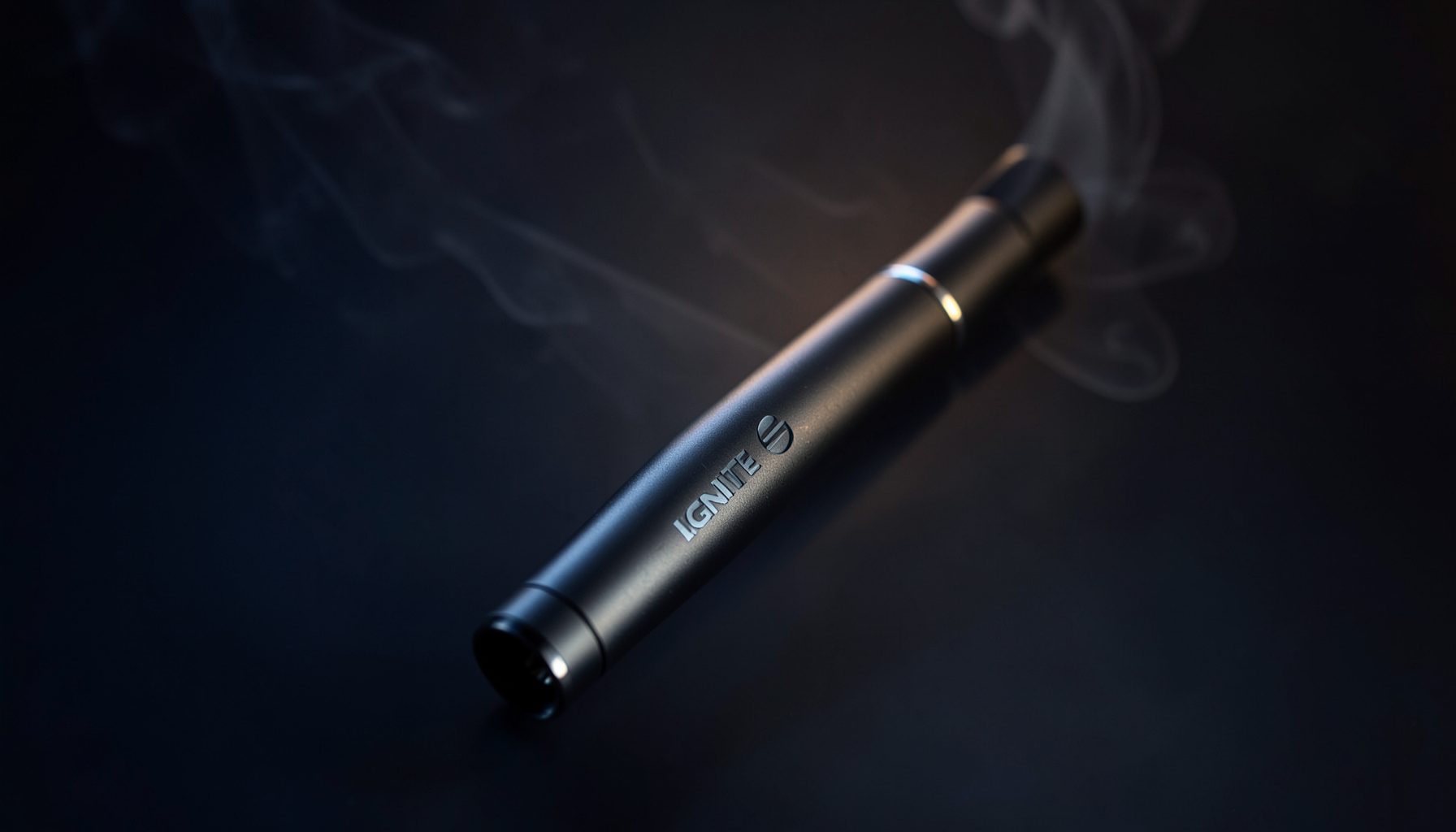
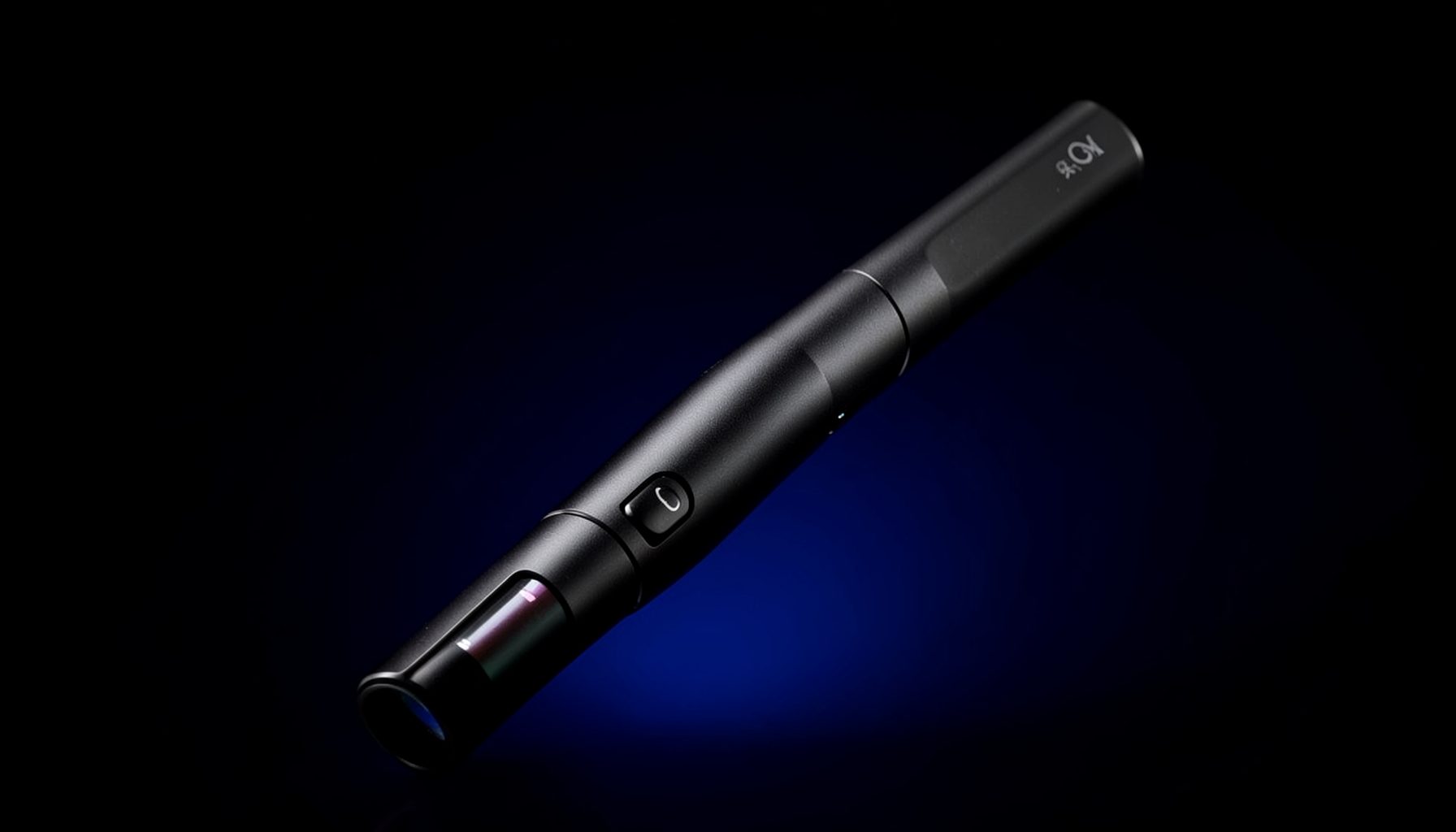
IGNITE Disposable Vape Build Quality Compared to Other Brands
When a disposable vape arrives in your hand, the first impressions come from how it feels. The weight, the seams, the finish of the mouthpiece, the way the chassis clicks together, all of these cues tell you whether the maker cared about construction. Australian buyers browsing online catalogues often compare brands like IGNITE, Elf Bar, IGET, and HQD on flavour alone, yet the physical device itself deserves close attention because it determines how reliably those flavours arrive through the life of the unit.
Since the October 2021 Australian regulatory shift, nicotine vapes have been governed by prescription pathways overseen by the Therapeutic Goods Administration. That change altered how Australians buy, but left the practical reality that any device obtained should be built to last through a full e-liquid reservoir without leaking or failing mid-puff. Build quality is what separates a unit that survives a weekend in Byron Bay from one that gives up halfway through a shift in Sydney.
This breakdown looks at the construction of IGNITE devices alongside other disposable brands stocked locally, examining materials, mouthpiece design, internal components, sealing, and how each brand fares under Australian heat and active use.
The Core Elements of Vape Build Quality
Build quality rests on a handful of measurable and tactile factors. The outer shell material, the sealing at the base and mouthpiece, the battery casing, and the airflow path design all combine into the daily experience. A device that feels solid, has no light gaps between halves, and draws smoothly indicates tighter manufacturing tolerances. The snapshot below highlights how the major disposable brands typically perform on construction factors based on user feedback and retailer observation across Australia.
| Build Factor | IGNITE | Elf Bar | IGET | HQD |
|---|---|---|---|---|
| Outer Shell | Brushed metal-feel ABS | Glossy plastic | Lightweight plastic | Hard matte plastic |
| Mouthpiece | Soft-touch tapered | Standard mould, firm | Simple cylinder | Rounded ergonomics |
| Battery Housing | Internal steel sleeve | Plastic sleeve | Sealed lightweight cell | Compact sealed unit |
| Leak Resistance | Multi-layer silicone gaskets | Single gasket | Basic seal | Improved dual seal |
| Coil Consistency | Mesh, even wick saturation | Mesh, slight late drop-off | Standard wick | Mesh, stable mid-life |
This snapshot shows where IGNITE typically positions itself within the premium tier of the local disposable market, though individual batches and flavour runs can shift.
Materials, Finish, and Structural Integrity
IGNITE devices present a brushed outer shell that reads closer to a metal-feel ABS than to basic moulded plastic. Compared with the gloss finishes common on Elf Bar units, this surface hides minor scuffs carried in pockets and gym bags, which matters for buyers moving between Melbourne trams and beach days. IGET devices lean lighter in the hand, signalling less material weight per unit.
Seam alignment is another visible marker of build attention. Higher-end IGNITE devices meet along a flush line with no raised edge, and that matters because raised seams often indicate weaker ultrasonic welding where leaks tend to originate. Cheaper-feeling disposables sometimes show a faint ridge along the body, a small detail that often predicts seal problems later in the lifespan. The informal drop test among Australian vapers reinforces this point. A device that survives a one-metre fall onto tiled bathroom flooring without splitting is passable. IGNITE units typically absorb those drops without cracking at the corners, while lower-grade disposables occasionally crack open along the seam and render the remaining e-liquid unusable.
Mouthpiece Engineering and Daily Comfort
The mouthpiece is where the user's lips make constant contact, so it deserves more attention than it usually gets. IGNITE mouthpieces are typically tapered with a soft-touch finish that flattens at the tip, distributing pressure evenly during long draws. The standard injection moulds on Elf Bar feel firmer, especially in cold Brisbane winter mornings when plastic cools further, and that firmness shows up as lip fatigue over extended sessions.
The internal airflow tube is another piece of mouthpiece engineering that affects taste and reliability. Cheap construction often joins that tube to the mouthpiece with adhesive that can shift in heat, a frequent cause of the gurgling sound reported in Australian devices left on a car dashboard in summer. Comfort also extends to draw geometry. A wider bore accelerates vapour but cools the hit, while a narrower bore concentrates flavour and warmth. IGNITE tends to sit in the middle of that spectrum, producing a balance that suits the relaxed draw patterns common at social gatherings along the Fremantle foreshore.
Battery Compartment and Power Reliability
Disposables hide their battery inside the sealed shell, but the casing of that battery influences performance. IGNITE units typically house their cell within a slim internal steel sleeve, providing structural support and minor heat dissipation. This is a step above the plastic sleeves seen on some Elf Bar models, where the exposed PCB sits closer to the outer shell and runs hotter under sustained draw.
Consistent voltage output across the device's lifespan is the real test of a competent battery compartment. As the cell drains, lower-quality disposables deliver weaker vapour and less flavour by the halfway mark. Mesh coil systems paired with regulated battery output, both present in the IGNITE catalogue, tend to keep vapour consistent for a higher percentage of the rated puff count than budget alternatives do. The practical impact shows up most clearly during long outdoor sessions, such as a day at the SCG or a hiking afternoon through the Grampians. Devices that hold voltage through the day deliver the same flavour at puff 200 as at puff 800, which is the difference between enjoying the device and feeling that you bought less than what the label advertised.
Leak Prevention and Seal Design
Leaking is the single most reported failure across all disposable brands in Australian user reviews. It is also the failure that buyers notice first, because it stains pockets, bags, and dashboards. Build quality plays the deciding role here, since leaks almost always originate in weak seam welds or thin gaskets.
IGNITE devices use multiple silicone gaskets at both ends of the pod reservoir, holding up better under the temperature swings of an Australian summer. A glovebox in Parramatta can reach fifty degrees inside an hour, and a thin seal becomes the weak point under that stress. Brands using a single gasket at the base frequently show the first signs of seepage after the device has been left in warm conditions. Tighter seals within the IGNITE chassis also keep airflow restricted to the engineered path during the second half of the device, which is one reason flavour delivery stays accurate when budget disposables are already starting to drift.
Coil Performance and Flavor Consistency
A disposable is essentially a heating chamber, a wick, and a coil sealed inside a tube, and the build quality of that internal assembly determines whether flavour stays bright from puff one to the end. IGNITE devices typically use mesh coils across the V15, V25, and V60 lines, giving broader and more even contact with the saturated wick than the single-strand alternatives still used by some budget competitors.
Wick saturation is where many disposables fail mid-life. If the cotton cannot pull liquid fast enough during a heavy draw, the coil runs dry, produces a burnt taste, and the device is finished regardless of how much e-liquid remains. Mesh coils with tightly wound wicking channels manage that flow more reliably, and the IGNITE range benefits noticeably under the heavy draw patterns common during warmer Australian afternoons. Flavour consistency across the device's life depends as much on coil geometry as on the liquid itself. Brands that combine mesh coils with stable battery regulation keep flavour recognisable until close to depletion, while cheaper disposables often drift from the named flavour profile by the third quarter of use, ending in a muted, slightly burnt finish.
Australian Use Cases and Longevity Testing
Real-world conditions test devices far harder than bench data suggests. Summer in Perth and Darwin pushes internal temperatures well above what a temperate climate would, and coastal humidity in Sydney and on the Gold Coast introduces moisture that older disposable designs were not built to handle. Build quality becomes a survival trait in those conditions rather than a marketing claim.
Buyers wanting gear to last through a full day of work, a long beach session at Bondi, or a weekend at a regional music festival benefit most from tighter seals and a sturdy chassis. Lighter disposable designs that survive a casual city routine can falter when they end up in a backpack sitting on hot grass, and the failure shows up as a stained interior lining the next morning. For shoppers chasing the most consistent hardware from the lifestyle brand behind the catalogue, the IGNITE Vape Store listing remains the direct source for current lines including the V15, V25, and V60 devices reviewed through this guide.
Choosing a Durable Disposable
Reliable build quality in a disposable depends on choices a shopper can verify before buying.
- Compare device weight across brands in the hand, since heavier units generally signal denser internal components.
- Inspect the seam line down the body for ridges or visible gaps before first use, since flush seams reduce leak risk.
- Check the mouthpiece finish for a soft edge rather than a sharp mould line, which affects long-session comfort.
- Confirm mesh coil status in the product description, since mesh coils outperform single-strand coils across device life.
- Read user feedback about flavour consistency past the halfway mark, since coil drop-off often begins around that point.
- Buy from Australian retailers who store devices in temperature-controlled conditions, since warehouse heat can shorten shelf life.