
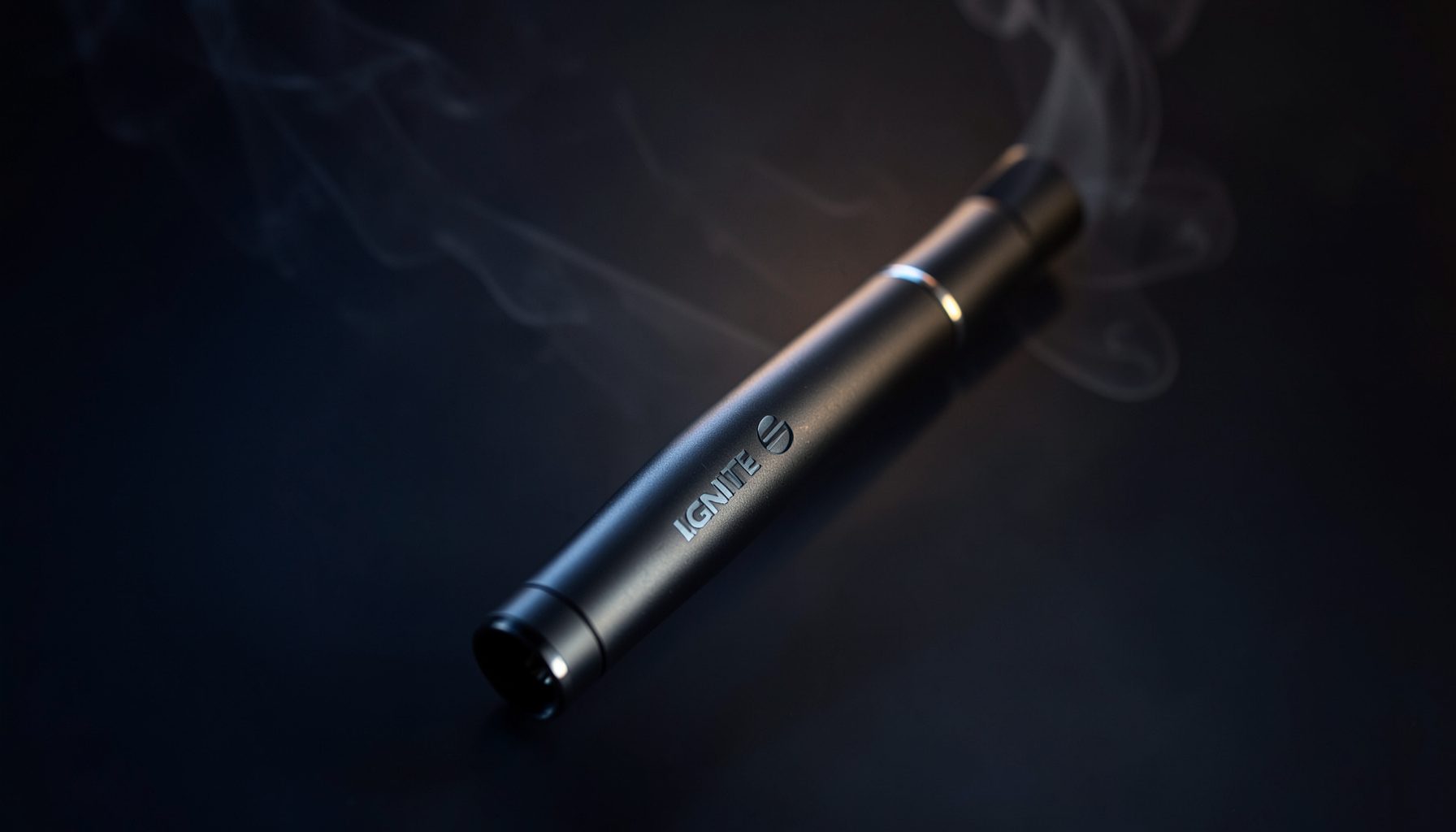
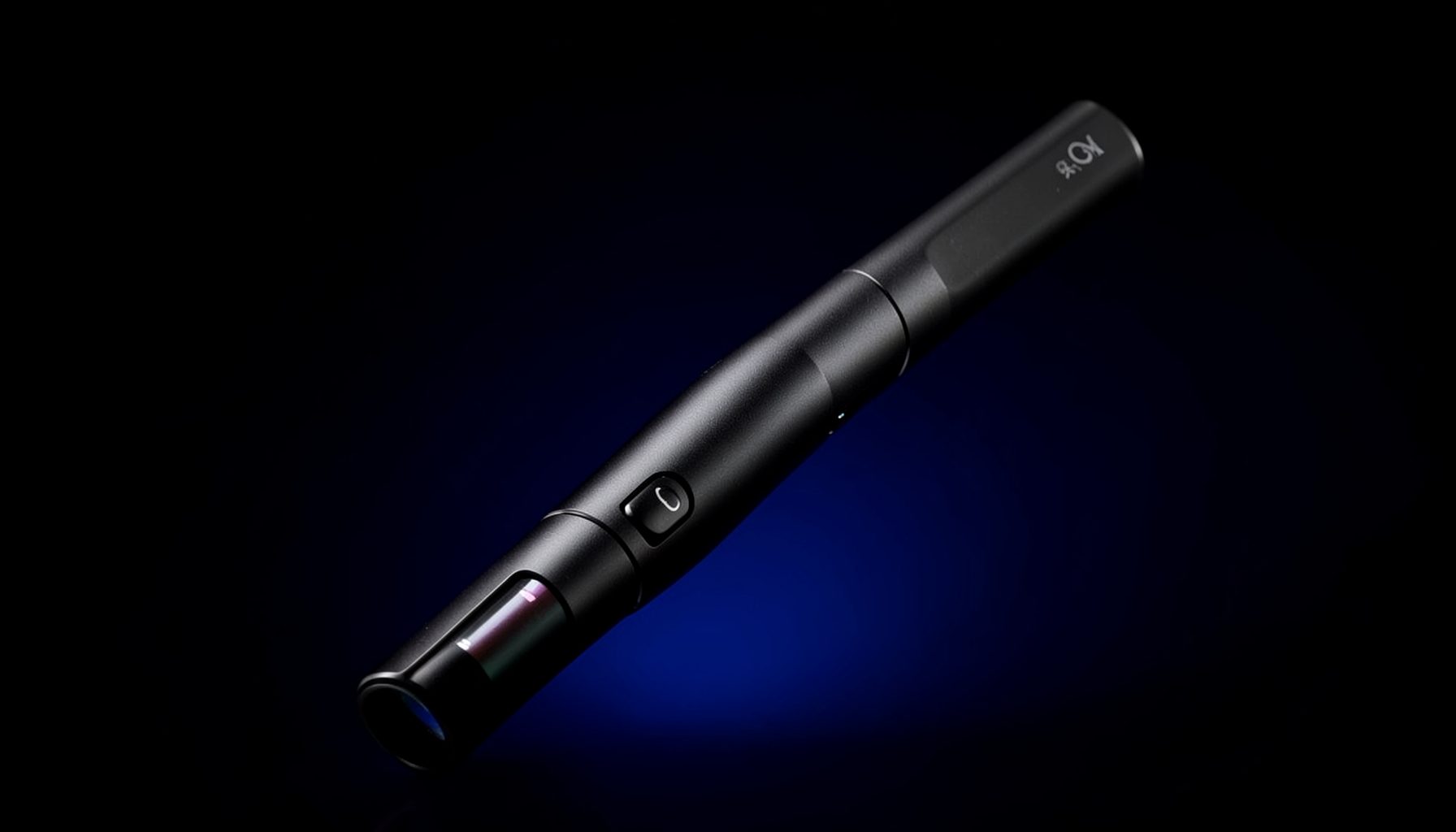
How IGNITE flavor intensity changes as the device runs low
IGNITE disposable vapes can taste different across their usable life. A fresh device may deliver a strong fruit note, a cool mint finish, or a pronounced iced sensation, while the final draws can seem softer, drier, or less balanced. The change is usually linked to the relationship between e-liquid, the wick, the coil, and the battery.
This matters when comparing IGNITE lines such as the V15, V25, and V60. Puff count, airflow, flavour profile, and battery performance can all affect how long a device maintains its original taste. The printed capacity is an estimate rather than a guarantee, because individual puff length and frequency vary.
In Australia, nicotine vaping products are regulated under the therapeutic goods framework, with access and supply rules that can change. Adults should check current TGA guidance, state or territory requirements, and pharmacy arrangements before purchasing or using any nicotine product. Devices should be kept away from children and pets.
What changes inside a nearly empty disposable
An IGNITE device uses a small reservoir of e-liquid, absorbent wicking material, a heating coil, and a battery. When a person inhales, the battery powers the coil and the wick feeds it with liquid. As the reservoir becomes low, the wick may receive liquid less consistently, particularly during long or repeated draws.
That reduced saturation can alter flavour intensity before the device stops producing vapour altogether. The first sign may be a less vivid fruit taste or a thinner mint note. If the coil is heated while the wick is too dry, the vapour may become harsh, warm, or faintly burnt. Continuing to use a device with a burnt taste is a sign that it should be discarded.
Battery output can influence the experience as well. A disposable may still produce vapour while its battery is weakening, but the coil may heat less efficiently. This can make the flavour seem muted even when some e-liquid remains.
Signs that the flavour is reaching its limit
- Fruit notes become flatter or less distinct
- Ice or menthol feels weaker than it did at the start
- Vapour production drops during a normal-length draw
- The vapour becomes unusually warm, dry, or scratchy
A fading flavour is different from a sudden burnt taste. Gradual softening often reflects lower liquid levels or reduced battery output, whereas a burnt or acrid note commonly indicates inadequate wicking. Either change means the disposable is close to the end of its usable life.
Why fruit, mint, and ice feel different
Fruit flavours often depend on bright top notes, so changes are easy to notice. Mango, berry, watermelon, and citrus-style blends may lose their sharpness first, leaving a sweeter or more general taste. This does not necessarily mean the flavour has changed formula; the coil may simply be delivering less vapour and aroma.
Mint and iced flavours can seem to last longer because cooling sensations remain noticeable even when the underlying flavour becomes weaker. A menthol-style finish may still be present while the fruit component fades. Conversely, a strong cooling profile can feel rougher if the vapour becomes hot or dry near the end.
Flavour perception also depends on the user’s palate. After frequent use, the same profile may seem less intense because the senses become accustomed to it. Drinking water and taking a proper break can help distinguish flavour fatigue from a device that is genuinely running low.
Puff style has a direct effect on taste
Long, forceful draws use more e-liquid and create more heat per puff. Several consecutive inhales can empty the area around the coil faster than the wick can replenish it. The next draw may then taste weaker or drier, even though the device is not completely empty.
Shorter, steady draws allow the wick more time to absorb liquid. This does not extend a disposable beyond its rated capacity, but it can reduce temporary dry hits and make the flavour more consistent. Storing the device upright between uses may also help liquid remain around the wicking area.
The way people use a vape during an arvo commute, a break at work, or a long drive from Sydney to Canberra can therefore affect the result. A device used in frequent bursts may lose its strongest flavour sooner than one used occasionally, even if both were opened on the same day.
Habits linked with faster flavour drop-off
- Taking repeated puffs with little pause
- Holding the device at an angle for extended periods
- Using long draws to produce larger clouds
- Leaving the device in a hot car or direct sunlight
Disposable vapes should not be opened, refilled, modified, or recharged unless the product is specifically designed and approved for that function. A damaged, leaking, swollen, or unusually hot device should be isolated safely and disposed of according to local waste guidance.
Australian heat can change the experience
Australian conditions add another variable. A disposable left in a parked car in Perth, Brisbane, or western Sydney can become very hot, while direct summer sun at a Gold Coast beach or sports ground may affect the liquid and battery. High temperatures can make e-liquid less viscous and increase the chance of leaking or flooding around the coil.
Very cold conditions can have the opposite effect. A device carried outdoors during a winter morning in Melbourne or Canberra may produce less consistent vapour until it returns to a moderate room temperature. Rapid temperature changes can also create condensation around the mouthpiece and airflow path.
Store the device in a cool, dry place away from sunlight, water, and loose metal objects. Do not leave it in a glovebox, on a dashboard, or beside a heater. These precautions protect flavour consistency and reduce battery-related risks.
Australian purchasing conditions also deserve attention. Nicotine vape products are subject to national controls, while state and territory rules can affect possession, advertising, disposal, and use in public places. A product shown in an online catalogue is not automatically lawful for every buyer or delivery address.
Comparing IGNITE lines near the end of use
The V15, V25, and V60 should be compared by their published specifications and the flavour experience they deliver, rather than by model name alone. A larger listed capacity may provide more total use, but it does not guarantee identical intensity from the first puff to the last. Puff duration, draw frequency, flavour formulation, and storage all influence performance.
The most useful comparison is how each device behaves as its liquid and battery approach depletion. Fruit-heavy profiles may show a loss of brightness, while mint or ice blends may retain a cooling sensation for longer. Checking the manufacturer’s information and the retailer’s current product details is important because specifications and availability can vary.
| Device line | What may feel strongest at first | Common late-use change | Useful comparison point |
|---|---|---|---|
| IGNITE V15 | Clear fruit, mint, or ice character | Softer flavour and reduced vapour | Compact format and individual puff habits |
| IGNITE V25 | Balanced flavour with steady vapour | Fruit notes may flatten before cooling notes | Published capacity and draw consistency |
| IGNITE V60 | Fuller vapour and pronounced profile | Warmth, dryness, or muted aroma near depletion | Storage, long draws, and battery performance |
A device that tastes weaker does not necessarily contain a different flavour. It may be nearing the point where the wick cannot keep the coil saturated or the battery can no longer maintain normal output. Once flavour becomes burnt, harsh, or unusually hot, further use is unlikely to restore the original profile.
For Australian adults who lawfully access therapeutic nicotine vaping products, tracking storage conditions and draw habits provides a clearer indication of performance than relying on a single advertised puff figure. The strongest flavour is generally found while the wick is well supplied and the battery is operating normally, not during the final dry draws.