
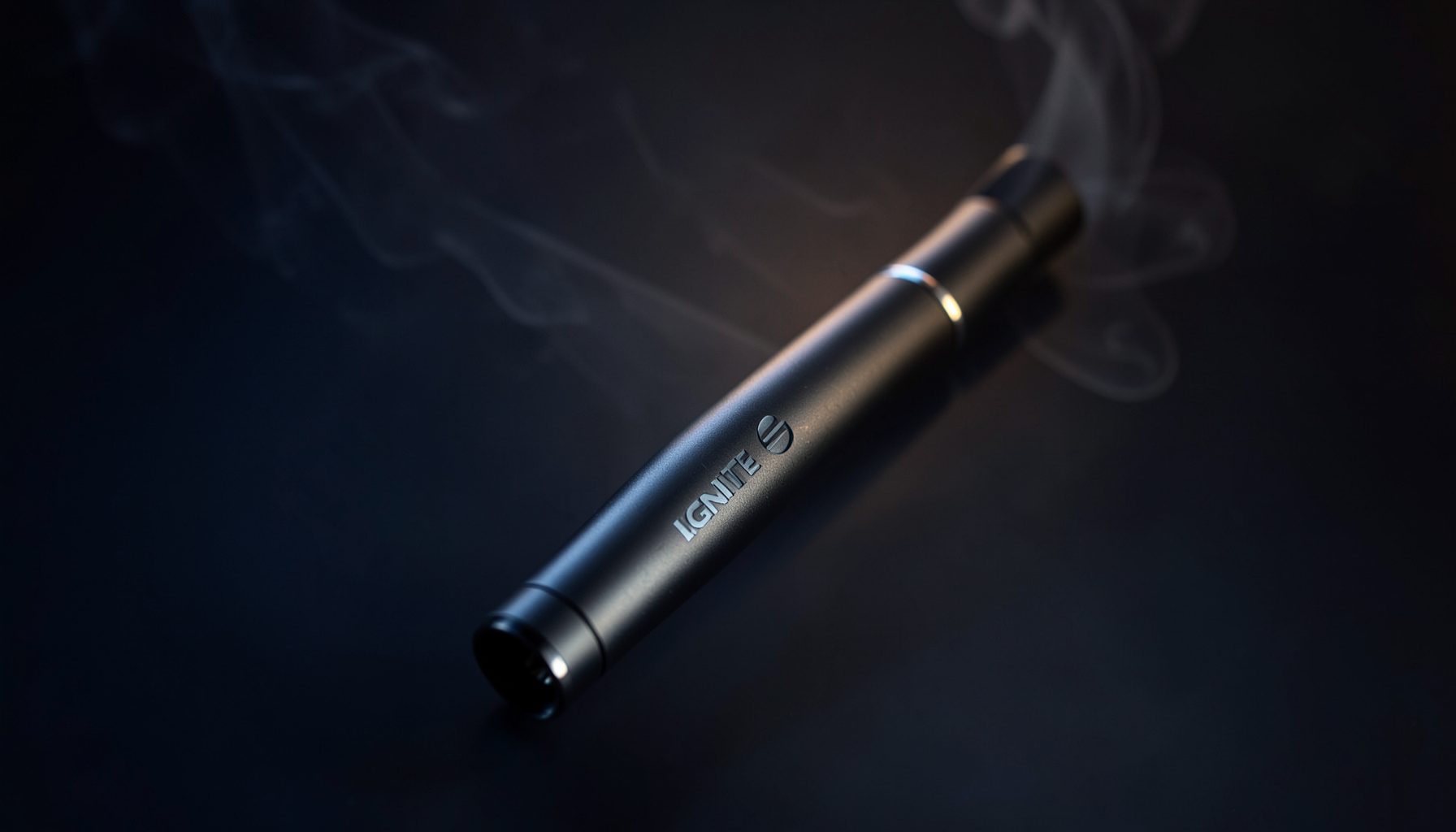
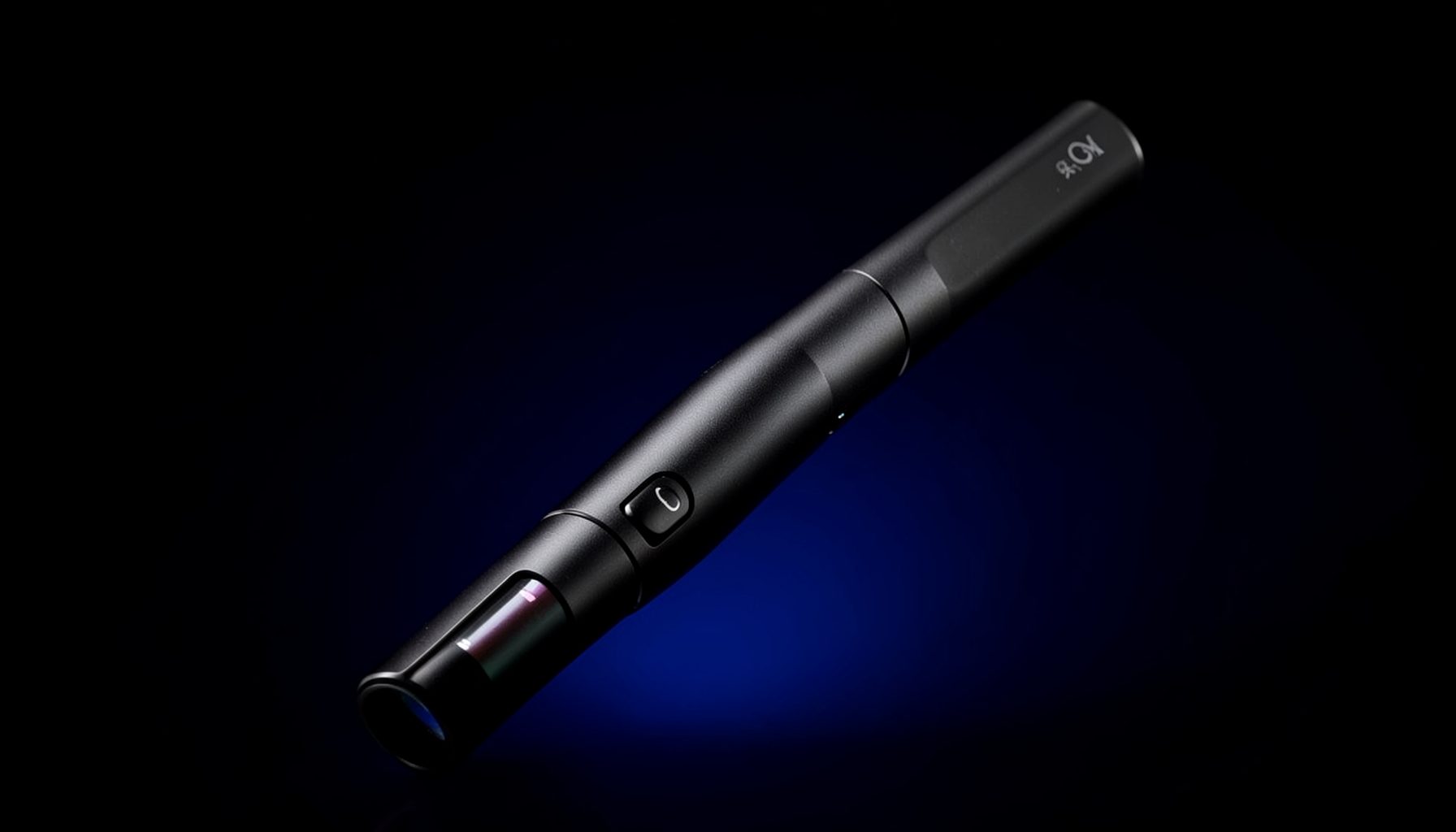
IGNITE Vapes And Cigarette Nicotine Strength Compared
Nicotine strength can be confusing because cigarettes and disposable vapes display information differently. A cigarette brand may show a machine-tested nicotine yield in milligrams per cigarette, while an IGNITE device generally lists nicotine concentration as milligrams per millilitre or as a percentage. These figures describe different measurements and cannot be compared directly.
For Australian adults researching nicotine products, the useful comparison involves concentration, likely nicotine delivery, puffing behaviour and legal access. IGNITE models such as the V15, V25 and V60 may vary in capacity, battery life and flavour range, while familiar cigarette brands differ in tobacco blend, filter design and labelled yield.
How Cigarette Nicotine Labels Work
A conventional cigarette contains substantially more nicotine than the amount printed on its pack. The labelled figure usually represents a machine-measured yield under controlled puffing conditions. Depending on the brand and market, a pack may show approximately 0.5–1.0 mg of nicotine per cigarette, although the smoker’s actual intake can be higher.
Human smoking patterns are flexible. Someone may take longer or deeper puffs, block filter ventilation holes or smoke a cigarette closer to the filter. As a result, the nicotine absorbed from a cigarette is often estimated at roughly 1–2 mg, with variation between individuals and products. Popular Australian cigarette brands can therefore have similar printed yields but feel different in practice.
Nicotine delivery also depends on frequency. A person smoking 20 cigarettes daily may receive nicotine in repeated short sessions throughout the day. That pattern is different from using a vape intermittently, where several puffs may be taken together or spread across hours.
What IGNITE Strength Figures Mean
Disposable vapes usually express strength as milligrams per millilitre or a percentage. A liquid labelled 5% commonly corresponds to about 50 mg/mL, while 2% is approximately 20 mg/mL. This is the nicotine concentration in the e-liquid, not the amount absorbed from one puff and not a direct equivalent to the nicotine yield printed on a cigarette pack.
The total nicotine contained in a device depends on its liquid volume. A 2 mL vape at 20 mg/mL contains about 40 mg of nicotine in the liquid before any losses during use. A larger device can contain more total nicotine even when its concentration is identical to a smaller model. The V15, V25 and V60 names indicate product lines, but the specific strength should be checked on the current product label.
Flavour can influence behaviour as well. Fruit, mint and iced varieties may feel smoother than tobacco smoke, making it easier for some users to take frequent puffs without noticing how much they are consuming. Smoothness is not evidence of lower nicotine exposure, and a premium lifestyle image associated with the IGNITE brand does not change the pharmacology.
Comparing Common Strength Ranges
The figures below provide a practical framework rather than a promise of identical nicotine delivery. Actual exposure depends on the device, liquid formulation, puff duration, inhalation style and whether the user is switching completely from cigarettes or using both products.
| Product format | Common nicotine figure | What the figure describes | Practical comparison |
|---|---|---|---|
| Lower-yield cigarette | About 0.3–0.6 mg per cigarette printed yield | Machine-tested smoke yield | Actual intake may be higher |
| Standard cigarette | About 0.6–1.0 mg per cigarette printed yield | Machine-tested smoke yield | Often around 1–2 mg absorbed, with variation |
| IGNITE vape at 2% | About 20 mg/mL | Nicotine concentration in e-liquid | Not equal to 20 mg per puff |
| IGNITE vape at 5% | About 50 mg/mL | Nicotine concentration in e-liquid | A stronger liquid concentration requiring careful use |
| Any disposable device | Varies by model and label | Total liquid and nicotine content | Larger capacity can mean more nicotine overall |
A cigarette’s printed yield is therefore closer to an output estimate, whereas an IGNITE label is a concentration measure. Comparing “1 mg cigarette” with “20 mg vape” as if both numbers use the same scale produces a misleading result.
Nicotine salts, commonly used in compact disposable devices, can provide a smoother inhalation at higher concentrations than traditional freebase nicotine. That may make a stronger vape feel less harsh than cigarette smoke. It does not remove dependence risk or make unlimited use appropriate.
Australian Rules And Everyday Use
Australia has a distinct regulatory environment. Nicotine vaping products are regulated as therapeutic goods, and access rules have changed in recent years. In general, adults should check current Therapeutic Goods Administration requirements, state or territory rules and pharmacy pathways before purchasing, possessing or importing nicotine vapes. Online availability does not automatically mean a product is lawful for every customer or delivery address.
Cigarettes remain widely sold to adults through licensed retailers, including convenience stores and service stations in Sydney, Melbourne, Brisbane and regional centres. They are subject to plain packaging, health warnings, tobacco taxes and smoke-free restrictions. Vaping rules can apply in many of the same enclosed public places, workplaces and public transport areas, so users should not assume that a vape is permitted where smoking is prohibited.
Nicotine dependence also interacts with everyday Australian routines. A commuter on Melbourne trains, a hospitality worker in Perth or a smoker taking breaks on a construction site may use nicotine at different intervals. Buying a device online requires attention to age restrictions, shipping conditions and the product’s stated nicotine content. The warranty support guide can be useful when a device arrives faulty, but support information does not replace checking legal eligibility.
Choosing A Strength Responsibly
People switching from cigarettes often focus on finding a nicotine level that controls cravings without encouraging constant vaping. There is no universal cigarette-to-vape conversion because absorption varies widely. A person who previously smoked only a few cigarettes may find a high-strength disposable excessive, while a heavy smoker may experience an insufficiently satisfying lower-strength product.
Dual use deserves particular caution. Vaping between cigarettes can increase total nicotine exposure rather than replace smoking. It can also make consumption harder to track because a disposable device is available throughout the day, whereas each cigarette provides a visible stopping point.
Useful checks before selecting an IGNITE device include:
- Read the nicotine concentration in mg/mL or percentage, rather than relying on flavour or model name.
- Confirm the liquid volume and calculate approximate total nicotine content when comparing V15, V25 and V60 options.
- Treat cigarette pack yields as machine estimates, not guaranteed personal intake.
- Avoid combining a high-strength vape with regular smoking without monitoring dependence symptoms.
- Follow Australian age, pharmacy, importation, disposal and smoke-free rules.
- Seek advice from a pharmacist or qualified health professional when reducing nicotine or managing withdrawal.
Nicotine can cause dependence, and vaping is not risk-free. Adults who do not use nicotine should not start, while pregnant people and individuals with relevant medical concerns should seek clinical advice. For current Australian requirements, official TGA and state health information is more reliable than a product listing or a social media claim.