
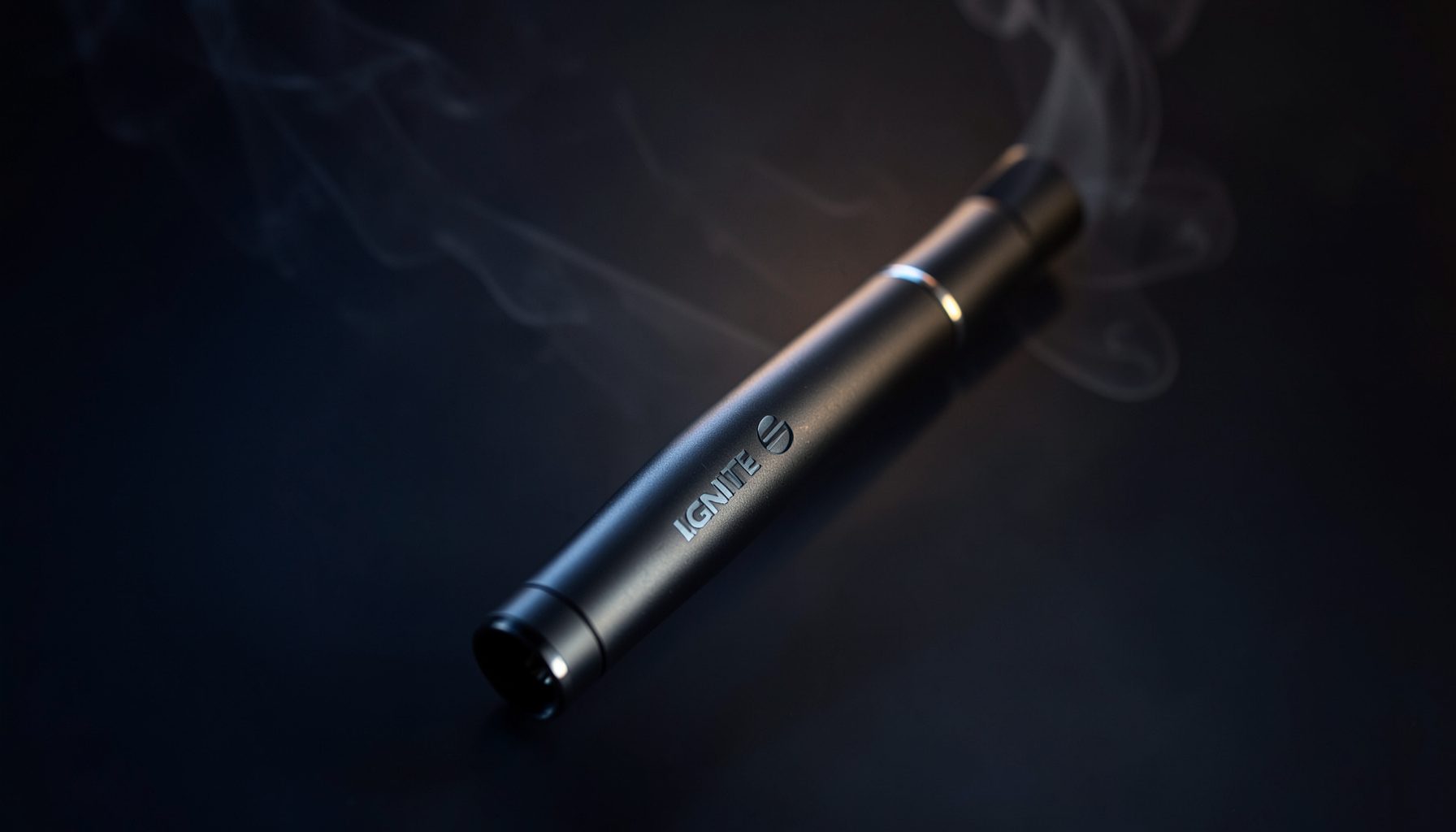
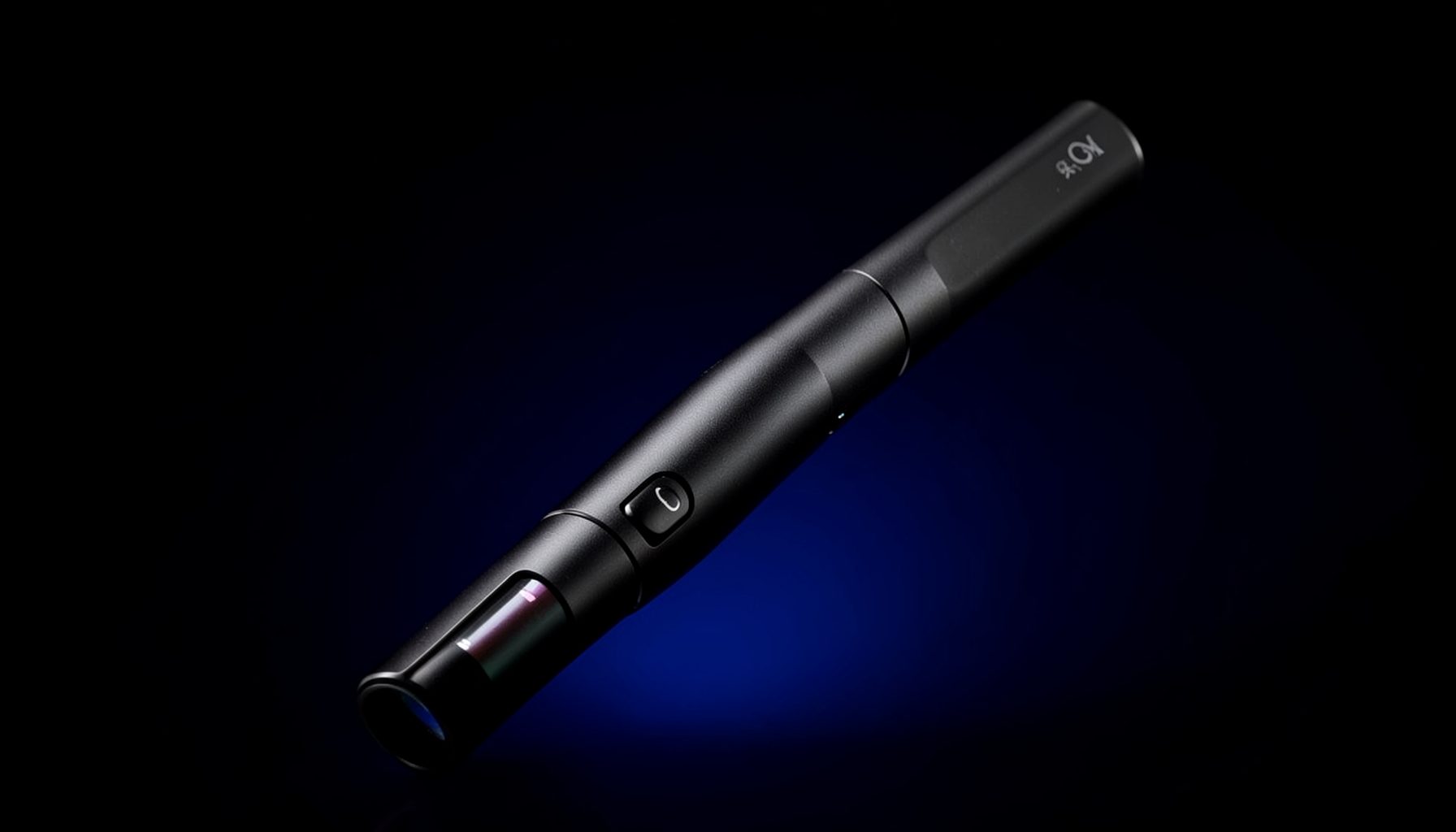
How to Check the E-Liquid Level in Your IGNITE Device
Disposable vape devices from IGNITE arrive sealed and ready to use, which means there is no refill port or clear tank to peek into. For many Australians who carry these compact units to the office, the gym, or a weekend barbie in Sydney, knowing how to gauge the remaining juice is a small skill that prevents dry hits and helps plan a replacement before flavour fades. While the hardware itself gives away a handful of clues, the answer depends a little on which model you hold in your hand and how you typically work through it during a busy day.
The Australian market is tightly regulated, with the Therapeutic Goods Administration scheduling nicotine products and most states enforcing plain packaging along with age verification at point of sale. Practical users in Melbourne, Brisbane, or Perth often keep one device on rotation rather than chasing several flavours at once, so reading the unit well matters. A quick look, a small shake, and a draw test will tell you more than any printed spec sheet, which is why it pays to learn what each IGNITE line offers.
Why monitoring your juice level matters
An IGNITE device runs until the wick can no longer soak up liquid, and once that happens the coil overheats and produces a burnt, acrid taste. Catching the level before it bottoms out protects the cotton wick from charring, which is the single biggest cause of flavour drop-off mid-session. Australians who treat their disposable as a daily carry from Adelaide to Hobart tend to notice the change faster because the unit has less slack in the routine.
Flavour consistency is another reason to keep an eye on the level. As the reservoir nears empty, vapour production thins out and the draw feels harsher even if the device still manages to fire. Watching for that transition lets you finish the unit on your own terms rather than disposing of it with liquid still trapped inside the sealed shell. For many users in regional towns, where the next authorised seller might be a long drive away, that planning avoids an inconvenient gap between devices.
Identifying your IGNITE model and design
IGNITE currently ships several lines, and each one exposes its remaining fluid in a slightly different way. Knowing which one is in your pocket shapes the inspection method you use, because the chassis and visibility features are not identical across the range.
| Model | Approximate capacity | Visibility feature | Best inspection method |
|---|---|---|---|
| IGNITE V15 | 1,500 puffs, 6 mL | Slim frosted body with a small clear strip near the base | Hold against bright light and tilt |
| IGNITE V25 | 2,500 puffs, 8 mL | Wider translucent window along the side | Direct visual check |
| IGNITE V60 | 6,000 puffs, 15 mL | Large viewing pane covering most of the body | Visual check plus weigh-in |
The V60 leaves the most liquid in plain view, while the V15 keeps things compact and relies on light passing through the housing to give a read. Picking up the right model by reading the label printed along the base settles any confusion before you start the inspection.
Visual and tactile inspection methods
The simplest technique is to hold the device up to a window, a phone torch, or direct sunlight and look for the moving liquid line inside. Tilt the unit slowly from one side to the other and watch the reservoir shift; the level will reveal itself even on the slimmest V15. A bright outdoor setting, like a Perth park or a Bondi beach towel, makes this easier than a dim office, although a quick torch sweep works in any room.
For those who sit at a desk most of the day, slipping in a discreet desk check between tasks can save you from guessing later on. Setting up a small break ritual with the right office essentials turns a habit check into a routine rather than a chore. The shake test is another reliable cue; a healthy device sloshes gently when flicked, while a near-empty one feels solid and quiet.
If your model has a translucent strip or window, count the visible liquid against the printed capacity markings on the body. The V25 and V60 show percentage-style references on some batches, which give a direct read without any guesswork. When the window shows clear gaps or no liquid at all, it is time to retire the unit rather than push it through another session.
Performance and taste cues as the level drops
Vapour output is the most immediate indicator. A full device produces dense, warm clouds on each draw, while a near-empty one struggles to fire at all, even after a long pause. If you find yourself taking longer draws just to get the same satisfaction, the wick is probably running dry and you should plan a swap.
Taste is a close second. Fresh fruit and iced flavours in the IGNITE range lose their crispness once the reservoir drops below a quarter, and mint options in particular start tasting singed rather than sharp. A faint burnt smell around the mouthpiece is a sign that the next puff will likely taste burnt as well, so retiring the unit early is the smarter move.
Another indicator is the draw resistance. A device with liquid inside pulls smoothly, but a dry wick creates a tight, almost stuck feeling on the inhale. Long-time Australian users describe this as the unit fighting back, and it usually means the cotton is heating without enough fluid to keep it cool.
Knowing when to retire and replace your device
Once the visual, tactile, and taste cues all line up, the unit has finished its useful life. IGNITE disposables are not designed for refilling, and attempting to open the housing damages the battery and risks leakage. Used devices should go into the e-waste stream rather than household bins, since the embedded lithium cell needs separate recycling. Local councils in cities like Brisbane and Melbourne run periodic e-waste drop-off days that accept sealed vapes alongside other small electronics.
If you want a fresh flavour or a higher puff count, swapping to a different model is straightforward through authorised sellers. Between orders, some readers browse other entertainment pieces on the site to fill the downtime, especially when planning a relaxed weekend. Either way, retiring the old device on time keeps every session smooth and avoids the harsh, burnt finish that comes from running a wick dry.