
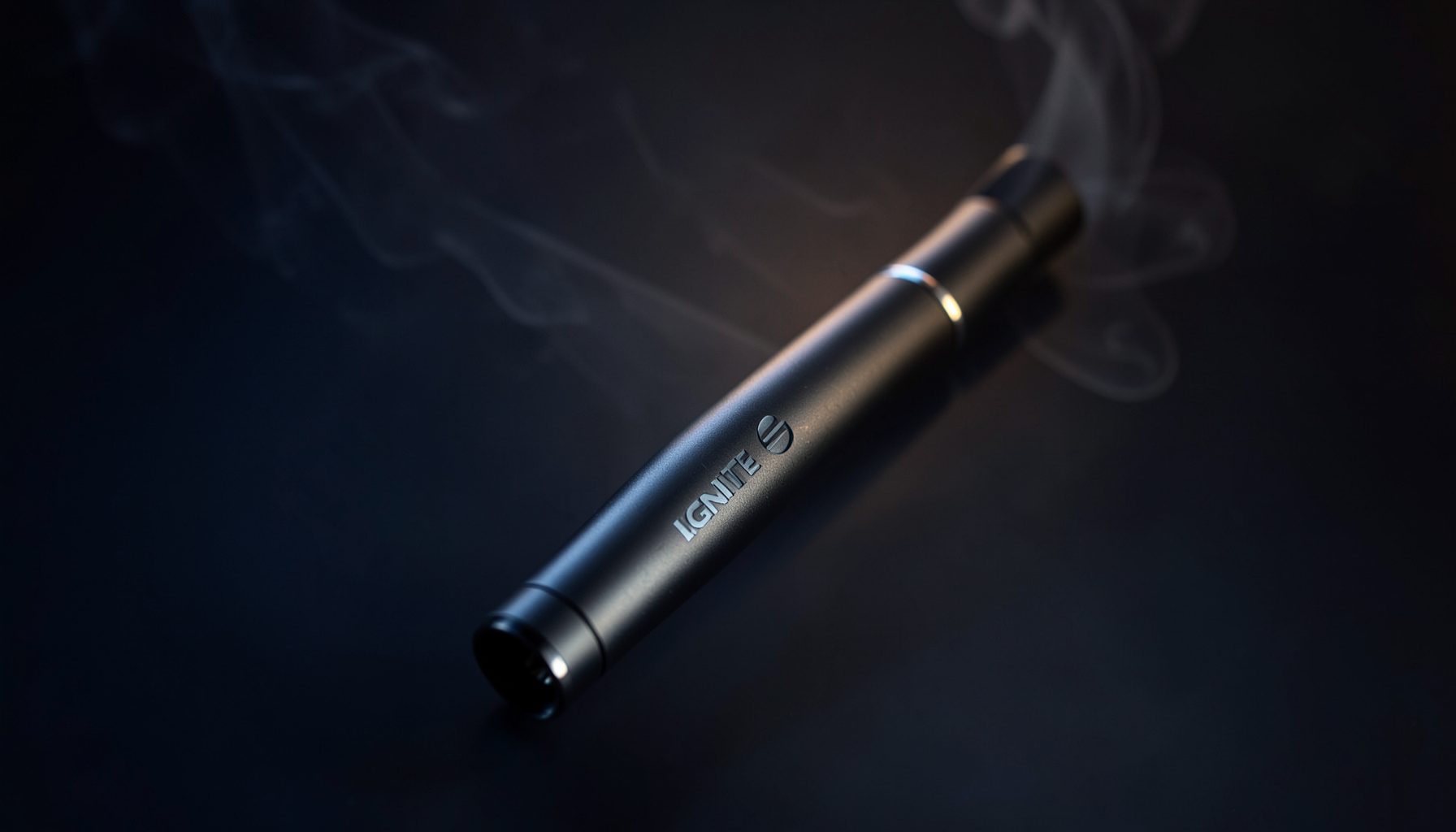
How to dispose of an empty IGNITE vape responsibly
An empty disposable vape may look like ordinary plastic waste, but an IGNITE device contains an integrated lithium battery, electronic components and traces of nicotine e-liquid. Those materials require a different disposal route from cans, food packaging or general household rubbish.
Correct handling helps reduce battery fires in rubbish trucks and waste-processing facilities. It also prevents nicotine residue from entering soil or waterways. Whether the device was an IGNITE V15, V25 or V60, the safest approach is to keep it intact and use an approved collection service.
Australia’s disposal options vary between states, territories and councils. A household in Sydney may be directed to a different service from one in Melbourne, Brisbane or Perth, so local guidance matters when arranging e-waste or household chemical disposal.
Why a used vape needs special handling
Disposable vapes are compact electronic products rather than simple plastic containers. Their lithium-ion battery can retain energy after the vapour stops being produced. If the device is crushed, pierced or exposed to heat, it may short-circuit and create a fire risk.
Nicotine residue is another reason to avoid the general waste stream. Even a device that feels dry can contain liquid inside its pod or absorbent material. Do not empty, rinse, cut open or burn the vape, as these actions can spread contamination and expose skin to nicotine.
Keep these items out of household bins
- The complete disposable vape
- Loose or damaged lithium batteries
- Devices with visible e-liquid residue
- Vapes placed inside kerbside recycling
- Vapes thrown into public litter bins
- Chargers or accessories mixed with food packaging
Prepare the device without dismantling it
Before transporting an empty IGNITE vape, check that it is switched off if the model has a button or activation control. Do not attempt to recharge a disposable device, even if it appears to have stopped working because the battery is flat. A damaged, swollen, hot or leaking unit should be handled as a higher-risk item.
Keep the vape in a cool, dry place away from direct sunlight, children and pets. If it is leaking, place the whole device in a small sealed bag or rigid container for transport. Avoid wrapping it tightly in metal foil, which can create an electrical connection with battery contacts.
The original packaging can help identify the product and its battery-powered contents. For people checking what arrived with a larger model, this V60 box guide may clarify packaging components, although the vape itself still requires a suitable disposal pathway.
Safe handling before drop-off
- Wash your hands after touching leaked e-liquid
- Keep the device upright where practical
- Separate it from keys, coins and other metal objects
- Use a rigid container during transport if the casing is cracked
- Tell collection staff if the device is leaking or damaged
Find an Australian collection point
Start with your local council’s waste and recycling page. Search for terms such as “vape disposal”, “e-waste”, “lithium battery recycling” or “household hazardous waste”. Some councils accept disposable vapes at transfer stations or resource recovery centres, while others direct residents to state-run programs.
In New South Wales, residents may find guidance through council facilities or Household Chemical CleanOut events. Victoria has Detox your home services for selected household chemicals, and some local councils provide separate e-waste drop-off points. Queensland, Western Australia, South Australia, Tasmania, the Northern Territory and the Australian Capital Territory also have differing collection arrangements, so a nearby recycling centre should be contacted before travelling.
Do not assume that every battery-recycling box accepts a complete nicotine vape. Retail battery bins are often designed for loose household batteries and may exclude products containing e-liquid or integrated electronics. Ask the operator specifically whether they accept disposable vapes, then follow their packaging and transport instructions.
What to do with damaged or unwanted devices
A device that is hot, swollen, cracked, hissing or leaking should not be placed in a public battery bin without first speaking to the facility. Move people and pets away from it, avoid touching leaking liquid, and keep it away from combustible materials if it can be done safely. If there is smoke, flame or an immediate fire risk, call emergency services on 000.
For an unused product that is faulty or unsuitable, contacting the retailer may be appropriate before disposal. The seller may provide instructions for returns, product incidents or local handling. Do not post a leaking or damaged lithium-battery device unless the carrier and retailer have expressly approved that method.
A discarded vape should never be given to children or another person for experimentation. It should not be refilled, modified or opened to recover the battery. These actions can expose users to nicotine and damage the internal battery protection.
Avoid common disposal mistakes
Putting a disposable vape in the yellow-lid recycling bin is a frequent mistake. Recycling machinery is built for accepted packaging streams, not small electronic devices containing batteries. The vape may be sorted incorrectly, damaged by compactors or cause a fire at a materials recovery facility.
The red-lid general waste bin is also unsuitable where a dedicated collection route exists. If a council confirms that it has no local vape service, follow its specific directions rather than choosing a bin at random. Rules may change as state governments expand e-waste and battery stewardship programs.
Never leave a vape beside a public bin, at a beach, in a park or near a shopping-centre entrance. Australia’s hot summers make outdoor storage especially risky, while coastal areas such as Sydney, Gold Coast and Perth also face environmental harm when litter reaches stormwater drains or waterways.
Compare disposal routes in Australia
The best option depends on the device’s condition and the services available in your suburb. A council-run resource recovery centre is often more suitable than a standard retail battery box because staff can identify mixed electronic and hazardous components.
When calling a facility, describe the item accurately: an empty disposable nicotine vape with an integrated lithium battery. This helps staff provide a clear answer and prevents an unexpected refusal at the counter. Keep the device intact until an authorised collector accepts it.
| Disposal route | Suitable for | Important point |
|---|---|---|
| Council e-waste centre | Intact, used disposable vapes where accepted | Check acceptance rules first |
| Household hazardous-waste program | Leaking or nicotine-contaminated devices | Tell staff about the e-liquid |
| Battery collection point | Only where complete vapes are explicitly accepted | Do not assume all battery bins allow them |
| Retailer or manufacturer guidance | Faulty, unused or recalled products | Follow return and transport instructions |
| General rubbish or kerbside recycling | Not recommended for disposable vapes | Batteries and nicotine residue create risks |
Once a collection service accepts the device, follow its instructions and avoid storing additional used vapes at home. Keeping a small container of old disposables for months can increase fire and leakage risks. Prompt, informed disposal protects waste workers, households and the Australian environment.