
How to dispose of your IGNITE device responsibly
Once you have finished with an IGNITE disposable, it becomes a mixed-material item: it may contain a lithium-ion battery, traces of nicotine and flavouring chemicals, and a plastic shell. Treating it like ordinary household rubbish can create fire risks and expose waste workers to harmful residue.
A responsible disposal plan starts with the device, then the rules in your area, and finally a collection point that explicitly accepts vaping products. A retailer’s willingness to accept a return does not automatically mean it can recycle the device, and a general e-waste bin may not accept nicotine-containing products.
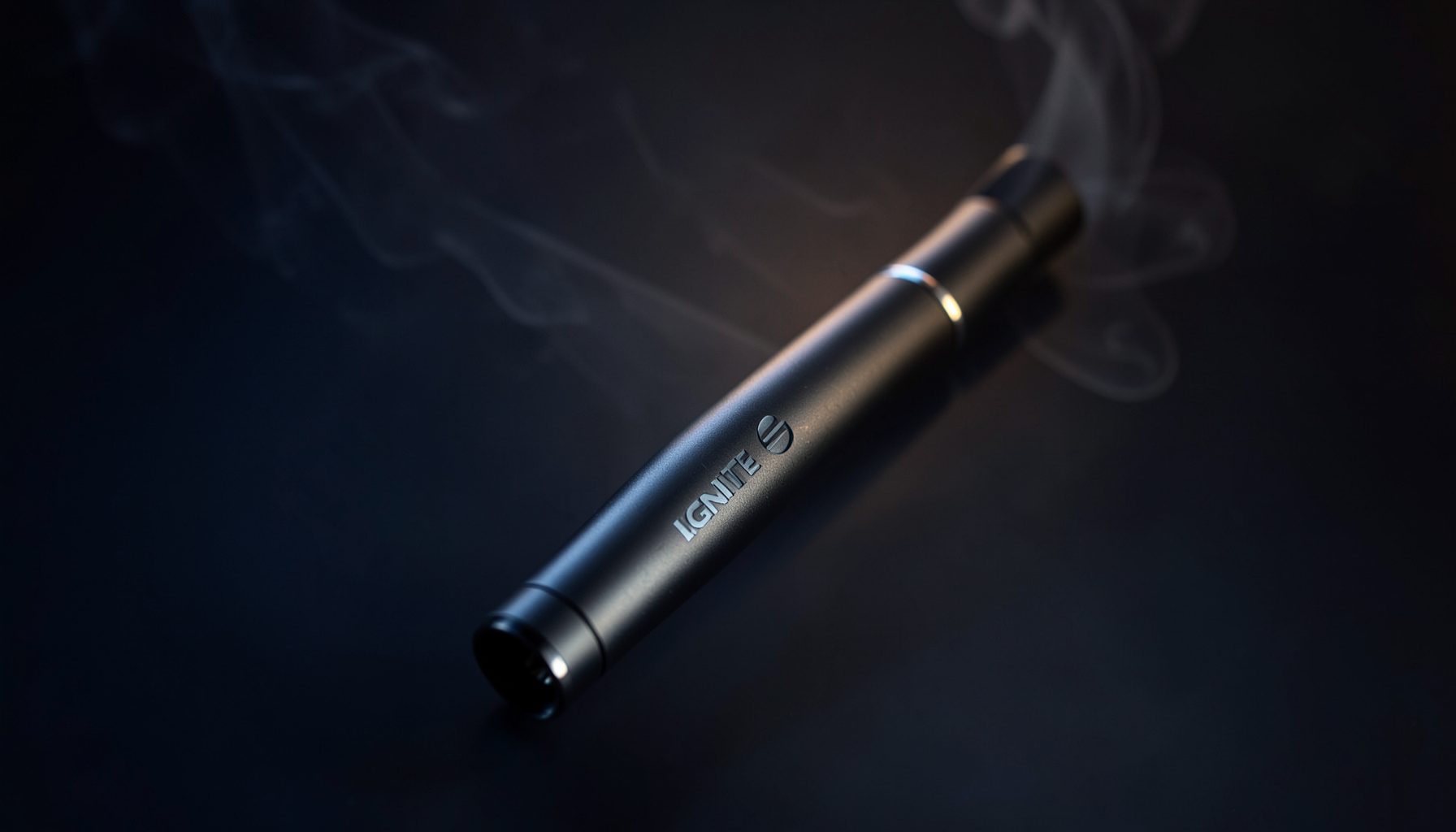
IGNITE is presented by its retailer as a premium lifestyle company founded by Dan Bilzerian, with device lines including the V15, V25 and V60 in fruit, mint and iced flavours. That branding does not alter the battery, chemical or waste-handling precautions required after use.
Australian rules you need to check
Since 1 January 2025, ordinary single-use vapes have been subject to a nationwide retail ban. Nicotine vaping products are generally supplied through pharmacies under a prescription model, rather than through convenience stores or general online retail.
Adult possession and use are generally not criminalised at the federal level, although state and territory laws differ, including restrictions on minors. Do not pass an old device on for resale or supply it commercially. If a particular transaction or local practice is unclear, check the relevant state or territory health department guidance.
Local councils control waste acceptance and collection, not vaping sales. Across Sydney, Melbourne, Brisbane and Adelaide, many councils run e-waste services or collection events, yet the accepted-items lists vary between municipalities. Some accept batteries while excluding vaping devices or nicotine liquids, so check before travelling.
Prepare the device for safe handling
Stop using the device and allow the battery to cool before handling it. Check the product information for instructions on removing a battery. Most disposable designs have a built-in cell, which should remain inside the shell; do not prise it open with tools.
Do not puncture, crush, dismantle or incinerate the device. A damaged lithium cell can produce intense heat, sparks or toxic smoke. For normal handling, keep the device in a clear, sealed bag or a rigid container, away from heat, children and pets. Do not rinse it, because residual nicotine and glycol-based liquid can contaminate surfaces and wastewater.
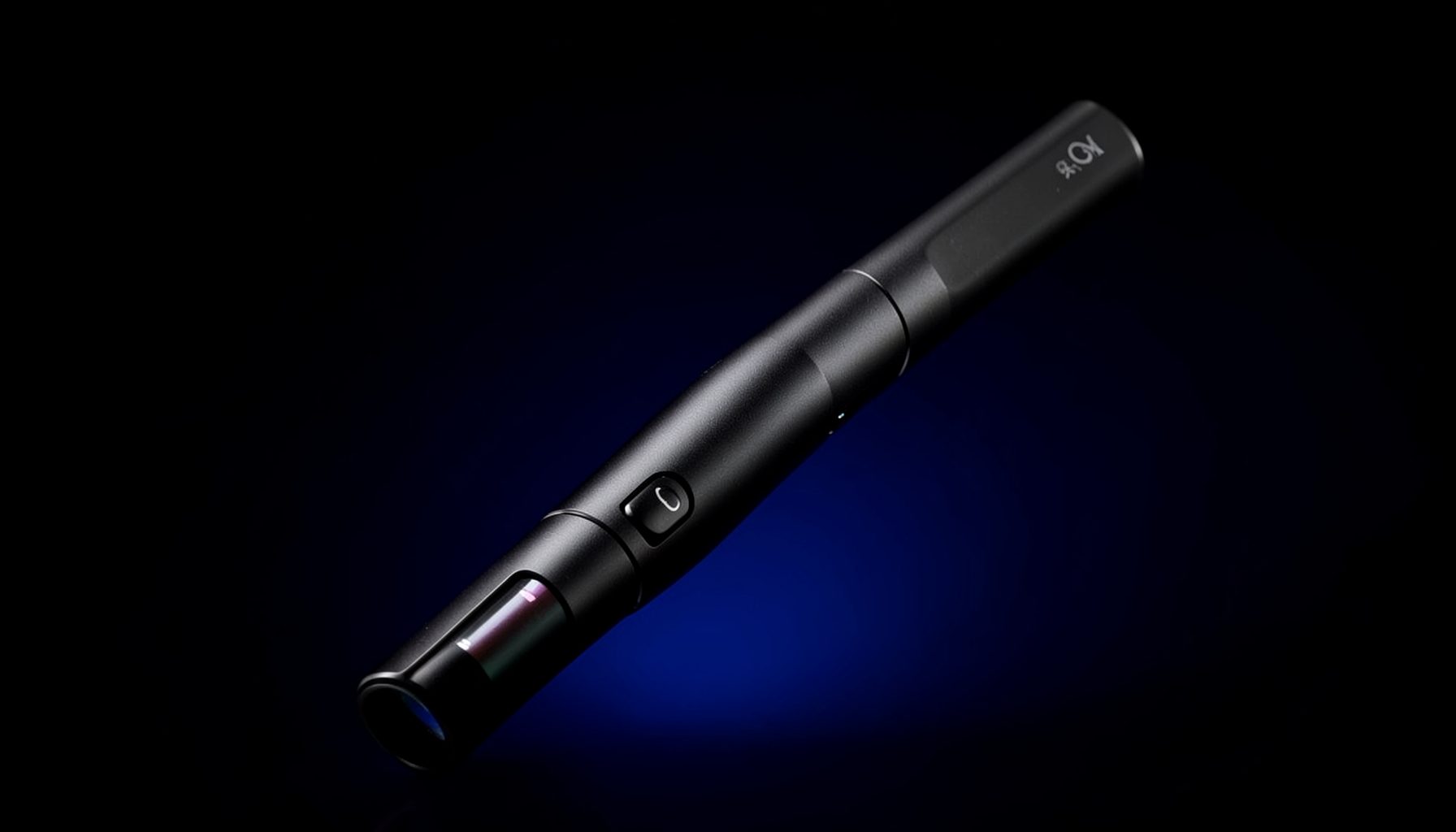
Device specifications matter when arranging collection. The IGNITE Vape Store catalogue lists the V15, V25 and V60 ranges and their flavours. Use the product information or customer support to confirm what your particular unit contains, then verify any proposed take-back arrangement with the actual collection provider.
Find a service that accepts used vapes
Your local council is usually the best starting point. Search its website for “vaping devices”, “vape waste”, “e-waste” and “batteries”, and read the accepted-items list carefully. A booked collection, transfer station or household hazardous-waste service may have different rules, so confirm that the site accepts an intact disposable with its battery still fitted.
A practical disposal guide can help explain why batteries and nicotine-bearing components need separate consideration. Its advice should still be checked against Australian rules and the instructions of the local service.
Retailers, manufacturers and specialist recyclers may offer take-back where their facilities can legally process the product. Get confirmation before sending or delivering an item, including the model, battery condition and any fee. Regional residents may need to contact the council or a transfer station directly, while residents of major cities may also have council e-waste drop-offs and local collection events.
Avoid unsafe disposal shortcuts
Never place a used IGNITE device in household rubbish, curbside recycling or a general recycling bin. The plastic casing does not make the whole product recyclable, and a damaged battery can ignite in a collection vehicle or sorting facility.
Do not pour residual liquid into a sink, toilet, stormwater drain or compost system. Keep the device intact unless the manufacturer expressly provides safe instructions for separating a removable battery. Do not attempt to recover leftover e-liquid for reuse, even if the flavour is fruit, mint or iced.
If a device is swollen, hot, leaking or hissing, keep people and pets away and do not place it in a bag. If there is smoke or fire, call 000 immediately. Contact your council or local fire service for instructions on safe handling, as ordinary e-waste collection may not be appropriate for a hazardous battery.
Compare your realistic disposal options
Choose the route that specifically handles a battery-powered, nicotine-containing product rather than assuming every e-waste facility accepts it.
| Disposal route | When it may suit you | Important checks |
|---|---|---|
| Council e-waste or hazardous-waste service | Household devices with intact batteries | Confirm vaping devices, nicotine products and batteries are accepted |
| Retailer or manufacturer take-back | A participating seller offers collection for your model | Verify the location, eligibility and destination processing arrangements |
| Specialist vape or e-waste recycler | A local service can handle a product councils exclude | Ask about fees, identification, packaging and battery requirements |
| Household waste or curbside recycling | No suitable use for this mixed-material device | Keep the device out of these bins because of battery and chemical risks |
In smaller regional communities, contact the council before setting out because opening hours and accepted-items lists may differ. Keep any confirmation, receipt or recycling documentation until the service confirms it has received the device.
A practical disposal checklist
Before handing over an IGNITE disposable, check the model name and local waste guidance. Confirm that the collection point accepts vaping products rather than household electronics alone.
Where a service charges a fee or requires identification, ask about those conditions in advance. Transport the device in a sealed bag and follow the provider’s instructions rather than relying on general assumptions.
- Confirm that the service explicitly accepts used vaping devices and their batteries.
- Check opening hours, fees, identification requirements and collection arrangements.
- Keep the device intact unless safe battery-removal instructions are provided.
- Protect the device from heat, impact and children during storage and transport.
- Never rinse the device or pour its liquid into household wastewater.
- Do not resell, give away or recycle the device through general waste services.
- Keep the collection confirmation or receipt for your records.