
How to Dispose of Your IGNITE Vape Responsibly in Australia
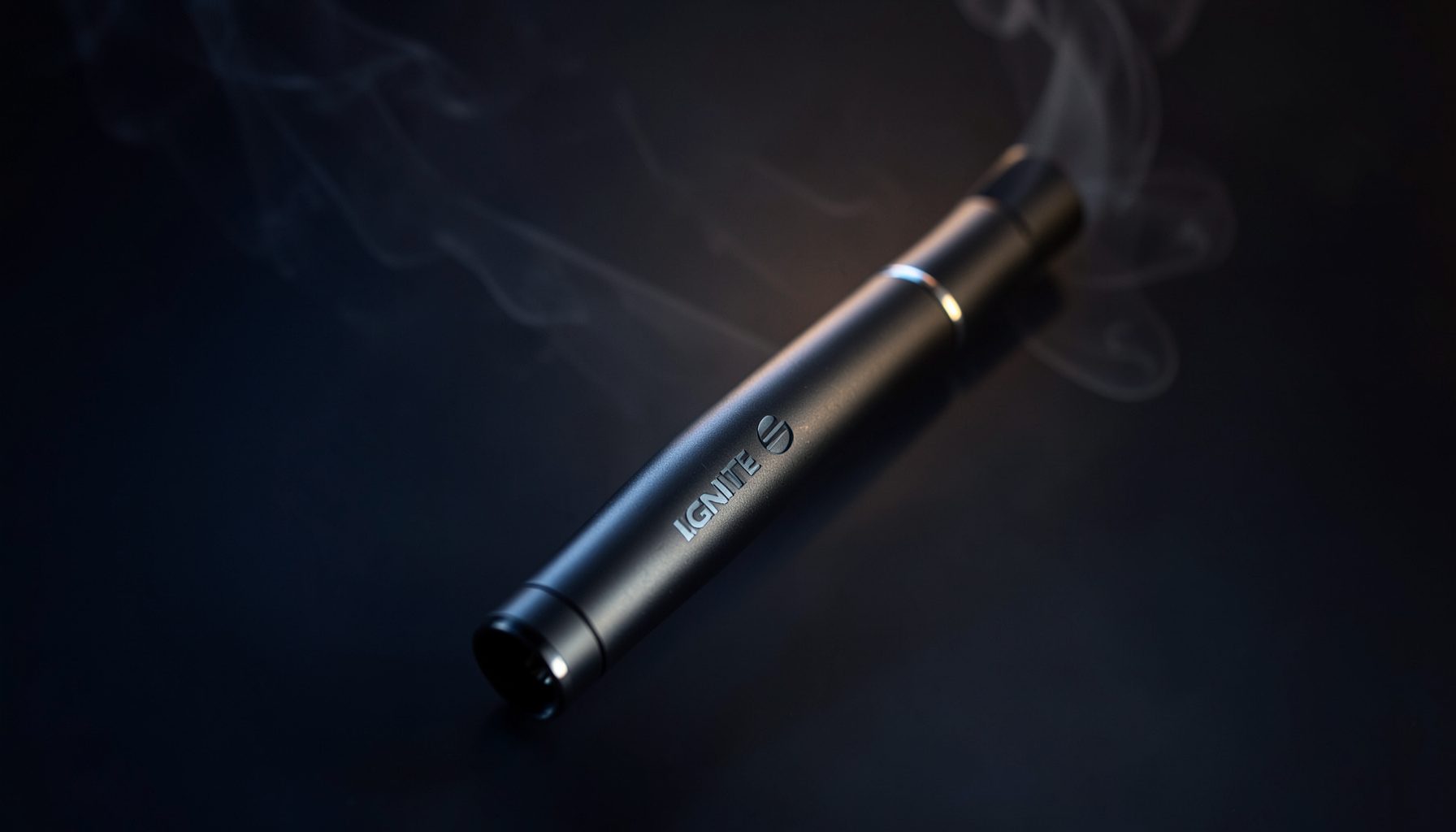
A used IGNITE disposable vape should never be treated like ordinary household rubbish. Its compact body contains a lithium battery, electronic components, plastic and, in many products, residual nicotine. When these materials enter a landfill or recycling truck, they can create fire, chemical and contamination risks.
Responsible vape disposal in Australia means keeping the device away from kerbside recycling and general waste until you can take it to an appropriate collection point. Local rules vary between Sydney, Melbourne, Brisbane, Perth and Adelaide, so checking your council or a recognised recycling directory is an important part of the process.
Why Disposable Vapes Need Special Handling
Disposable vapes combine several waste streams in one small product. The battery can hold enough charge to spark or ignite when crushed, compacted or damaged. The circuit board and wiring are electronic waste, while the casing is usually made from plastic and metal that ordinary recycling facilities are not designed to separate.
Nicotine residue also matters. A device that appears empty may still contain e-liquid in its internal reservoir or mouthpiece. Do not cut open, puncture, crush, wash or burn an IGNITE device. These actions can release liquid, damage the battery or expose people and pets to nicotine.
Australia’s waste systems are increasingly focused on battery safety. A vape placed in a yellow-lid recycling bin can be mistaken for recyclable packaging, while one placed in a red-lid rubbish bin may be compacted by collection machinery. Keeping it out of both bins is the safest first step.
Prepare The Device Before Drop-Off
When the vape has finished producing vapour, stop using it and set it aside in a cool, dry place. Keep it away from direct sunlight, hot cars and sources of ignition. Do not try to drain the remaining liquid or remove the battery yourself, because disposable devices are sealed and are not designed for household disassembly.
If the device is leaking, place it carefully in a sealed, non-metal container such as a rigid plastic tub. Avoid touching leaked liquid with bare hands, and wash your hands after handling the device. If liquid contacts skin or eyes, rinse with plenty of water and seek medical guidance if irritation continues.
Use the following handling steps before locating a collection service:
- Keep the device intact and avoid pressing its buttons or mouthpiece.
- Store leaking or damaged units separately from undamaged devices.
- Keep vapes away from children, pets, food and drink.
- Carry them in a stable container rather than loose in a pocket or bag.
Do not place a vape in a battery collection box unless the operator specifically confirms that disposable nicotine vapes are accepted. Some battery programs accept loose household batteries but exclude products containing e-liquid or integrated vaping components.
Find An Appropriate Australian Collection Point
The correct disposal route depends on your council, state and the condition of the device. Start with your local council website and search for “vape disposal”, “e-waste”, “household hazardous waste” or “lithium battery recycling”. The Planet Ark Recycling Near You directory can also help identify nearby services and accepted materials.
In New South Wales, residents may find suitable options through council transfer stations or household chemical and problem-waste programs. In Victoria, some councils and resource recovery centres provide e-waste services, while Queensland councils often publish separate instructions for batteries and electronic products. Rules can differ between metropolitan and regional areas, so a service available in inner Melbourne may not accept the same item in Geelong.
The comparison below provides a practical starting point, but acceptance should be confirmed before travelling:
| Disposal route | Usually suitable for | Important check |
|---|---|---|
| Council resource recovery centre | Intact electronic vapes and small batteries | Confirm that nicotine devices are accepted |
| Household hazardous-waste program | Leaking, contaminated or chemical-containing devices | Check booking, quantity and packaging rules |
| Battery recycling collection point | Some intact devices with integrated lithium batteries | Ask whether disposable vapes are excluded |
| Vape retailer or manufacturer take-back | Brands or stores offering dedicated returns | Confirm the store’s current policy |
| General rubbish or kerbside recycling | Not recommended | Avoid both waste streams |
A pharmacy is not automatically a vape recycling point. Australian pharmacies may provide advice about nicotine products, but they generally do not accept every brand of disposable vape for waste processing. Call first rather than leaving a device at a counter.
Transport And Storage Safety
Once you have confirmed a collection point, keep the devices in a rigid container during transport. Do not leave them in a parked vehicle, particularly during a hot Perth summer or a humid Brisbane afternoon. Heat can increase battery pressure and make leaking e-liquid more likely.
Do not transport damaged or swollen vapes in the same container as keys, coins or other metal objects. If a battery becomes hot, produces smoke, smells unusual or appears swollen, move away from it and contact emergency services on 000 if there is an immediate fire risk. Never handle a smoking or burning vape with bare hands.
For a normal drop-off, hand the device directly to staff and describe what it is. Tell them whether it is leaking, damaged or unused. This information helps workers choose the correct handling process and prevents a sealed nicotine device from being placed in an unsuitable battery stream.
Avoid Common Disposal Mistakes
The convenience of a disposable product can make it easy to overlook its end-of-life risks. Flushing a vape down a toilet or sink sends nicotine residues and plastics into wastewater systems. Burying one in soil leaves battery materials and electronic parts in the environment for years.
Do not place multiple used vapes inside a soft bag with other rubbish. If one device is damaged, the contents can leak onto clothing, car interiors or other waste. Keep the original packaging if it protects the device, but do not rely on packaging alone to make a vape safe for kerbside collection.
These mistakes are especially important to avoid:
- Throwing an IGNITE vape into a yellow-lid recycling bin.
- Putting it into a red-lid rubbish bin or public street bin.
- Crushing, snapping or opening the casing.
- Burning the device or leaving it at a beach, park or roadside.
- Giving it to children for “emptying” or dismantling.
A responsible disposal choice protects waste workers, reduces battery fires and prevents plastic and nicotine residues from spreading through local waterways and landfill sites.
Check Brand And Local Disposal Guidance
Product policies can change as Australian vaping regulations and waste programs develop. If you purchased an IGNITE device through an online store, contact the retailer’s customer support team and ask whether it has a return or collection arrangement. Do not send a device by post unless the business gives clear instructions, since lithium batteries and nicotine residue may be subject to transport restrictions.
Retailers may also be able to clarify the model, battery type and recommended disposal route for V15, V25 or V60 devices. Keep your order details only if they are needed for a return request; the key information for disposal staff is the device itself and whether it is intact, empty or leaking.
Local government advice remains the final authority for household waste services. A disposal method that works in Sydney may not be available in Adelaide, and a collection point in central Brisbane may have different rules from a regional Queensland facility. Checking acceptance before drop-off prevents rejected waste and keeps the device within a controlled recycling or hazardous-waste stream.
Handling an IGNITE vape responsibly is straightforward: stop using it, keep it intact, protect it from heat and children, and take it to a confirmed Australian collection service. This approach gives the battery, electronics, plastic and residual nicotine the safest available path after use.