
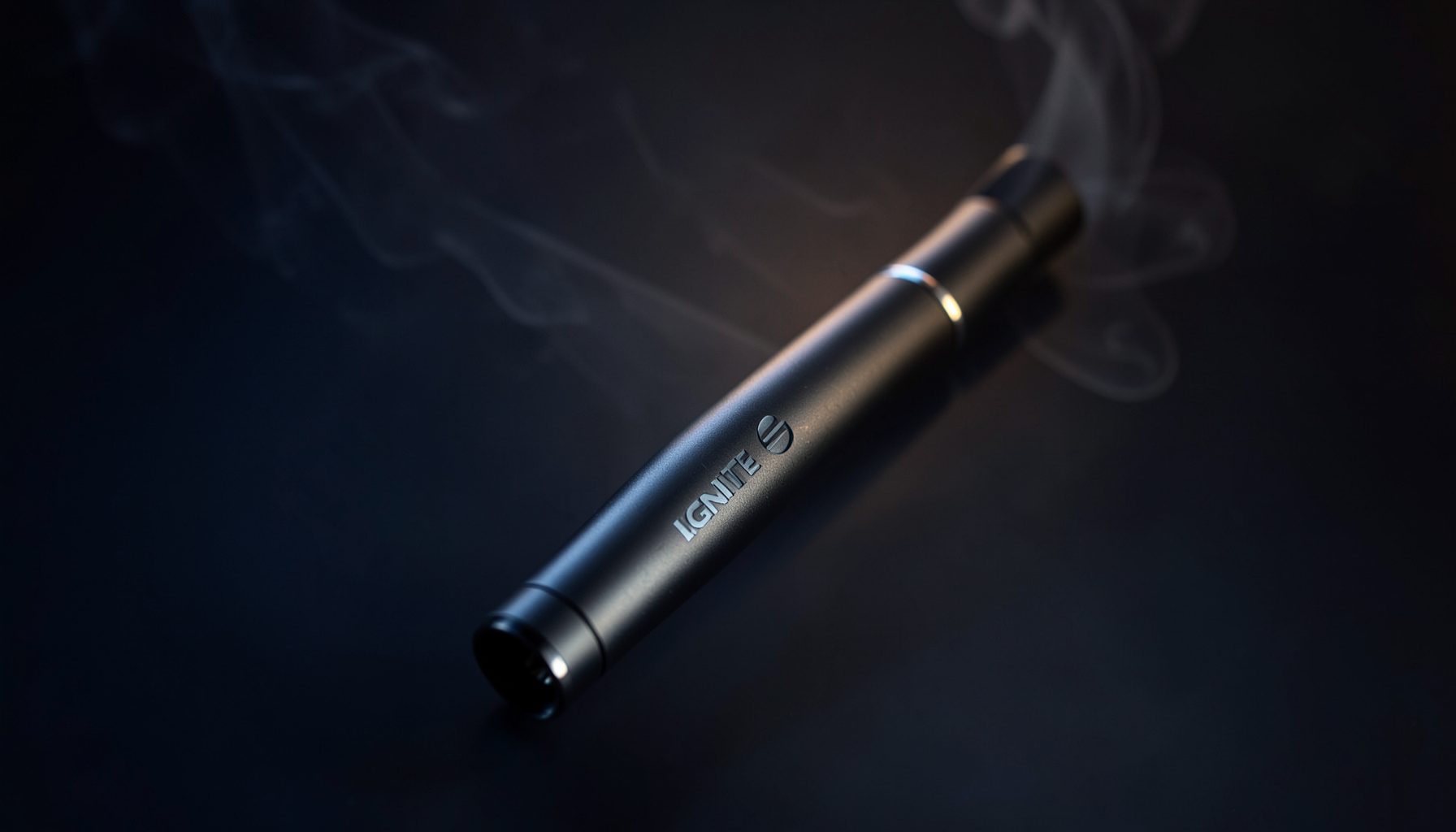
How to Extend the Life of Your IGNITE Vape in Hot Weather
Australian summer can expose disposable vapes to conditions many owners underestimate: a sunlit dashboard, a crowded train or a beach bag beside a hot folding chair. Heat stresses the battery and can reduce charge retention, change the e-liquid’s behaviour and damage a device that is left in the wrong place. The aim is to prevent that exposure, not to coax extra life from a unit that has already been damaged.
In Melbourne and Sydney, people often move between air-conditioned buildings and exposed streets, while Brisbane drivers can return to a car that has baked in the sun. Good storage habits matter even for a short-lived disposable. The right response depends on where the device has spent its time.
| Device location | Main risk | Practical response |
|---|---|---|
| Cool, shaded room | Lowest heat exposure | Keep it dry and separate from keys |
| Sunlit pocket or handbag | Direct sun plus trapped body heat | Move it to a shaded, insulated pouch |
| Parked vehicle | Rapid temperature rise | Take it with you |
| Warm drawer or closed bag | Heat builds slowly | Check the product’s storage instructions |
What Australian heat does to the device
Heat accelerates the normal ageing of a lithium-ion cell. Even while switched off, a battery kept in a warm environment can lose charge faster and show reduced capacity over time. Cool storage reduces this stress, especially because a disposable may spend more time in a pocket or cupboard than in use.
Sealed e-liquid also responds to temperature. Warmth can change its viscosity, alter flavour and increase pressure inside the cartridge. Moving a chilled device into a warm room may also cause condensation around the mouthpiece. Let the device return to room temperature before use, and never refrigerate or freeze it because condensation and temperature shocks introduce separate risks.
Keep it out of direct sun and hot pockets
On a humid Sydney afternoon, a handbag in direct sun can become an oven for a vape. Keep the device in an electronics pouch or another shaded compartment, away from keys, coins and anything that could scratch or puncture it. A loose cotton bag offers little protection from solar heat.
Body heat also builds in a tight trouser pocket during a long commute. Give the device a separate compartment, and avoid leaving it in a jacket pocket while the jacket hangs over a hot chair. A light-coloured pouch or reflective cover can reduce sun exposure without requiring refrigeration.
Never leave it in a parked car
A parked car is the worst summer storage option. In Brisbane, a vehicle can heat up rapidly, and closing the windows or using a windscreen shade does not make the cabin safe for a lithium battery. Do not leave an IGNITE device on the dashboard, seat or glovebox, even for a short errand.
If a device has already been in a hot car, carry it to a shaded, ventilated place and let it cool naturally before charging or using it. Never put it in a freezer, pour water over it or apply ice directly to the casing. A device that feels unusually hot needs time away from heat, not an improvised cooling method.
Charge only with the correct instructions
Only charge a model if its instructions explicitly allow it, and use the specified cable and power source. If charging is supported, place the device on a hard, nonflammable surface, away from sunlight, bedding, paper and open flames. Do not charge it under a pillow or towel, or leave it charging overnight without supervision.
Charging adds stress to a warm cell. Let the device reach room temperature first, and stop charging if it becomes excessively hot, swells or gives off an unusual smell. Never vape while charging, and do not try to charge a disposable with no port or instructions. Unplug it when charging is complete.
Protect liquid and flavour in humid conditions
Air-conditioning and sealed cartridges deserve special attention. When a chilled device enters humid air, moisture can condense on the mouthpiece. Give it time to acclimatise before use, wipe only the exterior with a dry cloth if needed, and never push moisture or objects into the opening. Do not dismantle a disposable to reach its liquid or battery.
Keep flavours stable by avoiding heat and unnecessary handling. Store sealed IGNITE products away from kitchen heat, barbecue smoke and direct sun, and follow the storage and use guidance supplied with the device. If the liquid changes colour, the seal is compromised or the casing is damaged, stop using it and seek advice from customer support rather than attempting a repair.
Recognise signs that a device has been overstressed
Watch for physical changes rather than trying to judge battery health by puff count alone. A device that is swollen, dented, leaking, unusually odorous, firing intermittently or repeatedly stopping should be retired immediately. Do not squeeze, puncture, open or incinerate it. A damaged battery can be a fire hazard even when the casing still looks intact.
Move a suspect device away from ignition sources only if you can do so safely, then ask the seller or a local battery and e-waste service for disposal instructions. If it is smoking, sparking or producing excessive heat, leave the area and call Triple Zero (000). Do not transport it in a bag with ordinary purchases or leave it in a household bin.
Check orders and use Australian customer support
If a device arrives warm, damaged or not as described, do not test it merely to see how it performs. Check your order history before contacting customer support so you can identify the exact V15, V25 or V60, the flavour and the delivery date. Keep the device and packaging until the support team confirms what to do next.
Support can provide model-specific storage guidance and advise whether a replacement or safe disposal is appropriate. Australian adults should buy nicotine vaping products only from sellers with clear age verification and local support. Federal law has prohibited sales to people under 18 since 1 July 2024, and adults must follow local rules on where vaping is permitted. Keep order records, follow the device instructions and retire the unit when its usable life ends rather than trying to revive an old battery.