
How to Tell if Your IGNITE Device Is Original by Feel
An IGNITE disposable can look convincing at a glance, especially when several device lines share similar colours, branding, and fruit or iced flavour names. The more useful clues often appear when you hold the device, inspect its finish, and compare its construction with a verified product.
Learning how to tell if your IGNITE device is original by feel can help you spot poor manufacturing, damaged stock, or a suspicious copy. Tactile checks are useful for screening, although they cannot replace a batch-code check, seller verification, or advice from the brand.
Australian buyers should take extra care because the local nicotine-vape market operates under strict rules. Therapeutic vapes are generally supplied through pharmacies and authorised pathways, while products sold through informal channels may create both safety and consumer-law concerns.
If a device feels hot, leaks, rattles, smells strongly of chemicals, or produces an unusually harsh draw, stop using it. Keep it away from children and pets, and dispose of damaged lithium-battery products through an appropriate recycling service rather than placing them in household rubbish.
Start with the outer finish
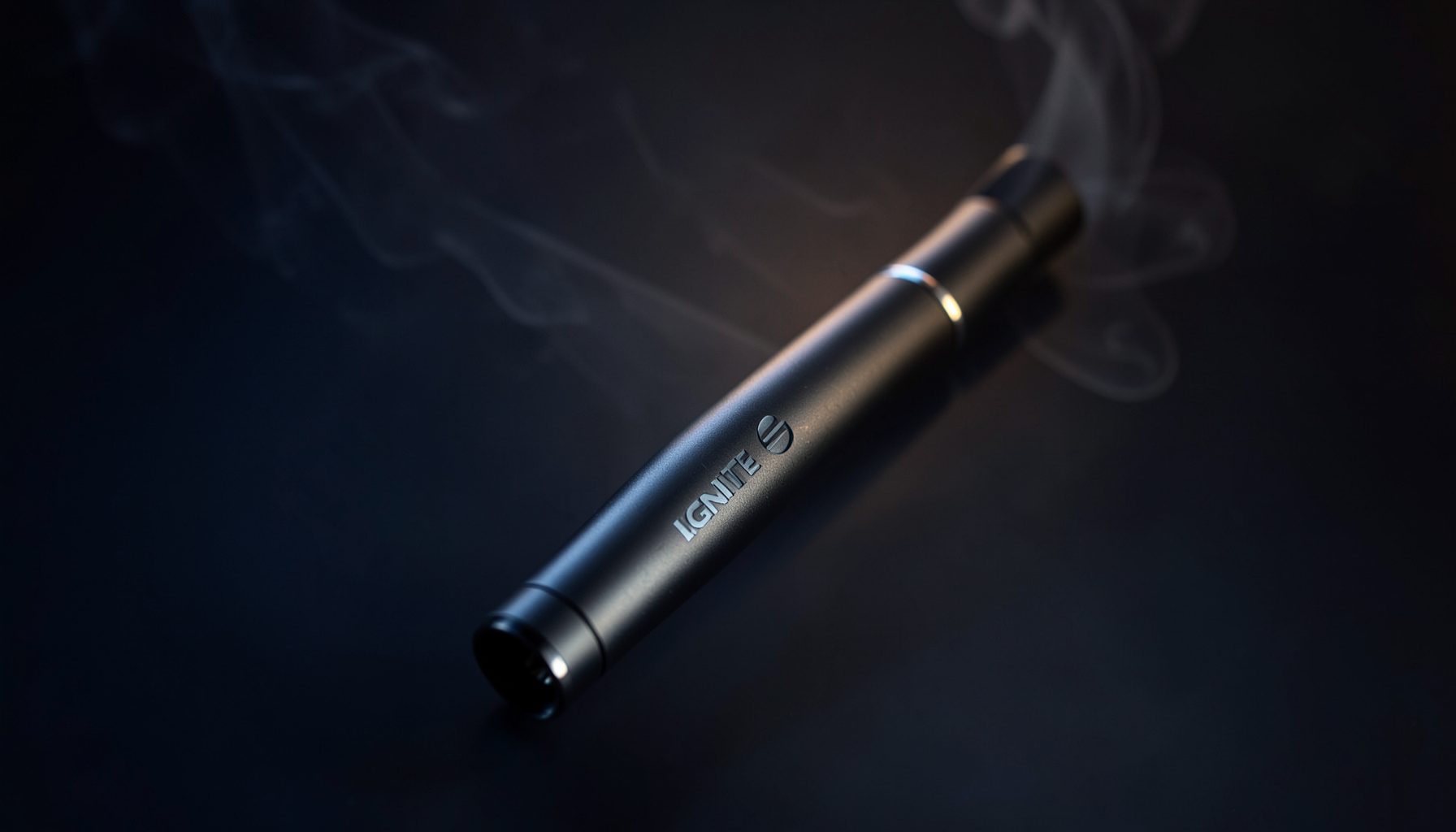
An authentic device should feel deliberately assembled rather than flimsy or unfinished. Run a finger along the body and check whether the casing is smooth, the printing is clean, and the joins meet evenly. Minor variation can happen between production batches, but deep scratches, rough mould lines, lifting labels, or sticky residue are warning signs.
The mouthpiece should sit firmly without wobbling. A loose tip, sharp plastic edge, or uneven opening can indicate poor assembly. Check the airflow area as well: it should look intentional and symmetrical, not like a hole roughly punched into the casing.
Pay attention to the overall balance. Genuine disposable models usually have a consistent, compact feel, with no hollow clunk when gently moved. A slight sound from internal components does not automatically prove a fake, but a pronounced rattle combined with poor printing or a loose shell deserves caution.
Compare weight, balance, and resistance
Weight is one of the easiest physical clues to notice. A suspiciously light device may contain less e-liquid, a smaller battery, or different internal parts from the advertised model. An unexpectedly heavy unit may have excess casing material or an incorrect battery. Neither clue proves anything alone, so compare the same model and size whenever possible.
Hold two devices from the same line side by side if you can. The V15, V25, and V60 are different products, so their dimensions and weight should not be treated as interchangeable. A V60 should be assessed against another V60, not against a smaller model simply because the branding looks similar.
The shell should resist gentle pressure without creaking or flexing dramatically. Do not squeeze hard, puncture the body, or attempt to open the device. Disposables contain a lithium battery and a sealed liquid system; forcing the casing can create a fire, leak, or chemical exposure risk.
Inspect the mouthpiece and draw
The mouthpiece is a practical authenticity clue because it reveals how carefully the device was finished. It should feel smooth against the lips, remain firmly attached, and have a clean internal opening. A gritty texture, strong plastic taste before use, or a mouthpiece that shifts under light pressure is not normal for a premium product.
Airflow should feel controlled rather than wildly loose or blocked. If the draw activates only when you pull extremely hard, continues after you stop, or switches on while the device is sitting untouched, discontinue use. An auto-draw sensor that behaves unpredictably may signal a defect, contamination, or damage.
Flavour can provide another comparison point, but it is not a laboratory test. A flavour described as fruit, mint, or ice may vary slightly between batches and storage conditions. For a useful reference, read this V60 flavour review and compare broad characteristics such as sweetness and cooling, rather than expecting an identical experience.
Feel the printing and packaging
Authentic packaging normally has crisp text, consistent colour, and labels that sit flat. Use a fingertip to check whether printed areas are firmly applied or whether ink flakes off easily. Blurry logos, spelling mistakes, mismatched fonts, and crooked warning panels are strong reasons to question the product.
A scratch panel, QR code, or serial number can support verification, but these features can also be copied. If a code leads to a strange website, shows an error repeatedly, or has already been checked many times, treat that as a warning rather than proof of originality.
The package should match the device inside: model name, flavour, nicotine information, and visual design should be consistent. Keep your receipt and photographs of the box. In Australia, clear purchase records are useful if you need to raise a concern under the Australian Consumer Law or report a product issue to the seller.
Consider where the device came from
A tactile inspection is much stronger when paired with a credible supply chain. An established retailer should provide clear business details, contact options, product information, and a sensible returns process. Pages connected with the wider brand can also help you understand expected design and model differences; a useful brand background source may provide additional context, though independent verification is still important.
Be cautious with marketplace listings, social-media sellers, and “too good to be true” bundles. In Sydney or Melbourne, a quick handover arranged through a private message may feel convenient, but it can leave you without a receipt or reliable after-sales support. The same applies to pop-up sellers and informal stock offered around nightlife areas.
Australian conditions can affect how a device feels. A parcel left in a hot car in Brisbane or Perth may develop a softer casing, leaking liquid, or pressure-related faults. Cold storage in Tasmania can temporarily alter liquid thickness and draw resistance. These effects do not confirm a fake, but they are reasons to avoid using a device that has been overheated, crushed, or leaking.
Use physical clues alongside verification
No single sensation confirms that an IGNITE product is genuine. A smooth body can be copied, and a small cosmetic imperfection can appear on legitimate stock. The safest approach is to combine touch, packaging, seller history, batch information, and the product’s behaviour.
| Check | What feels or looks normal | Warning sign |
|---|---|---|
| Outer casing | Smooth, firm, evenly joined | Cracks, sticky residue, sharp seams |
| Mouthpiece | Secure, clean, comfortable | Wobbling, grit, chemical odour |
| Weight | Consistent with the same model | Unusually light or heavy |
| Airflow | Predictable, steady activation | Auto-firing, severe blockage, harsh pull |
| Printing | Sharp, aligned, durable | Blurry text, spelling errors, peeling ink |
| Packaging | Device details match the box | Missing information or mismatched model |
| Seller records | Receipt and clear contact details | Anonymous seller or cash-only handover |
Practical checks before using one
- Compare the device with a verified unit of the same IGNITE model and flavour.
- Inspect the body, mouthpiece, airflow opening, and packaging under bright light.
- Check batch or authenticity information through an official channel where available.
- Avoid units that leak, smell strongly of solvents, rattle heavily, or become hot.
- Keep the receipt, seller details, and photos if the product seems questionable.
- Stop using the device and seek appropriate advice if you experience irritation, dizziness, or breathing difficulty.
A device that feels premium is more reassuring than one with rough construction, but feel is only an early screening method. When the physical clues, packaging, and seller information do not line up, treating the product as unsafe is the sensible choice for Australian consumers.