
Moving from cigarettes to IGNITE disposables in Australia
Switching away from cigarettes is a personal process, and the most useful approach is to treat it as a change in nicotine routine rather than a simple product swap. IGNITE disposable devices are designed for adult nicotine consumers, but they are not risk-free and may not suit people who do not already smoke or vape.
A practical transition starts with understanding when and why you smoke. A morning cigarette with coffee, a break outside work, or a drink at the pub can each have a different trigger. Recognising those patterns makes it easier to plan an alternative without relying on willpower alone.
Australian conditions also matter. Nicotine vaping products are regulated through the Therapeutic Goods Administration, while state and territory rules govern places where smoking and vaping are restricted. Product availability, prescription requirements, import rules and retail obligations can change, so adults should check current guidance before ordering.
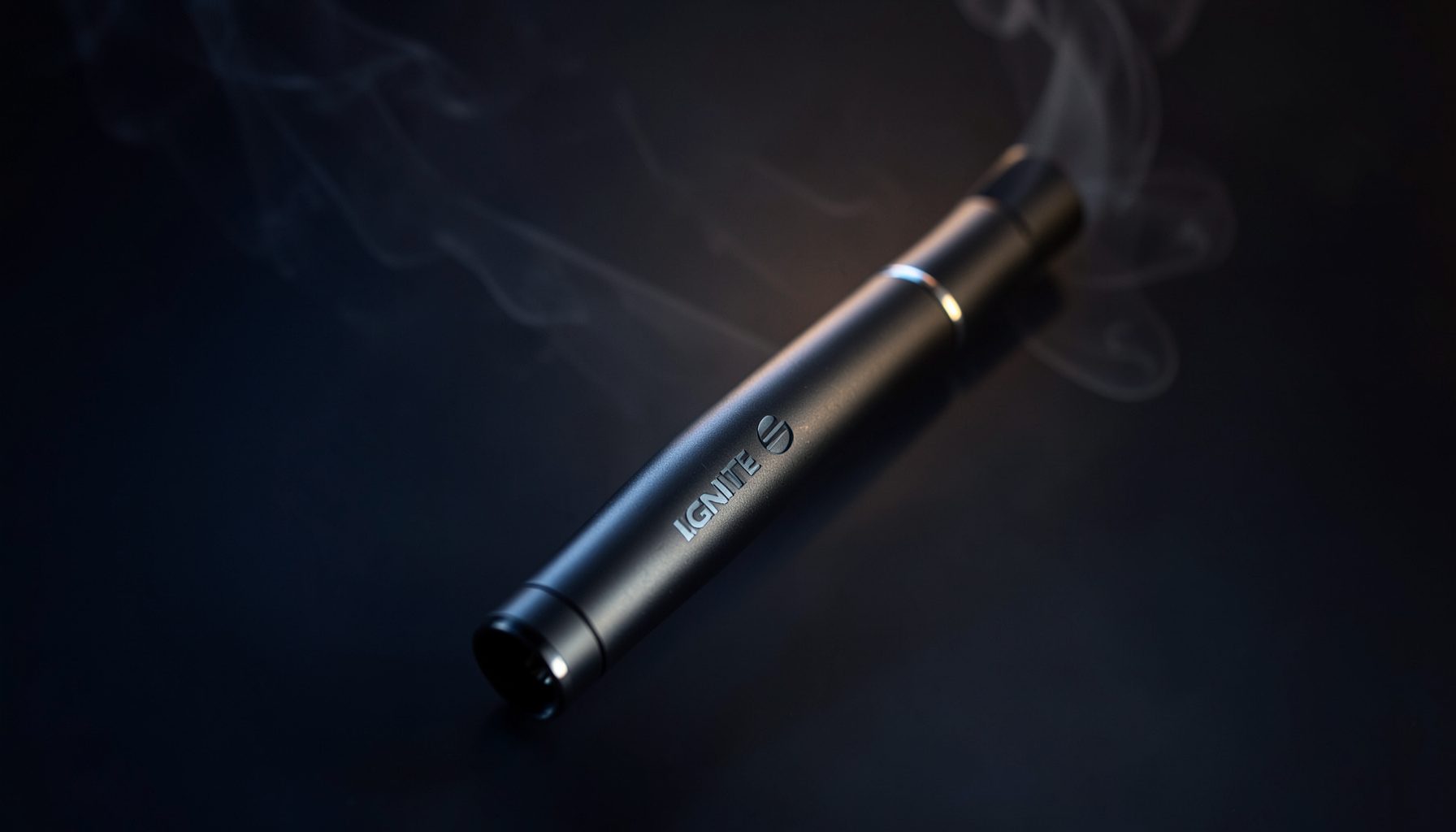
IGNITE’s V15, V25 and V60 lines offer different formats and flavour profiles, including fruit, mint and iced options. The right choice depends on nicotine tolerance, preferred draw and how often the device will be used, rather than on the largest advertised capacity.
Compare the routine before choosing a device
Cigarettes deliver nicotine alongside smoke, tar and combustion gases. A disposable vape heats an e-liquid instead of burning tobacco, but its aerosol can still contain substances that affect the lungs, and nicotine remains addictive. Moving completely away from cigarettes is generally more meaningful than using both products indefinitely.
| Factor | Cigarettes | IGNITE disposable |
|---|---|---|
| Main process | Tobacco combustion | E-liquid heating |
| Smoke or aerosol | Smoke with combustion products | Nicotine aerosol |
| Setup | Lighter and packet required | Ready-to-use format |
| Waste | Filters, ash and packaging | Single-use electronic device |
| Key concern | Serious harms from smoking | Dependence, respiratory effects and disposal |
A disposable can remove some familiar hassles, such as carrying a lighter or dealing with ash. It does not remove the need to monitor nicotine intake. Frequent puffing throughout the day can quietly maintain or increase dependence, particularly when the device is easier to use than a cigarette.
Set a clear switch date
Choose a realistic date to stop buying cigarettes and prepare for the first few days. Remove spare packets, lighters and ashtrays from your usual spaces. If a complete switch feels too difficult, speak with a pharmacist or doctor about evidence-based smoking cessation support rather than allowing dual use to become an unplanned long-term pattern.
Keep the first device accessible, charged if required, and stored safely. IGNITE disposables are intended to be convenient, but convenience should support a plan. Use the device when a cigarette craving appears, then put it away instead of taking continuous puffs while working, driving or watching television.
Some people prefer switching after a busy period, while others choose a firm date during a quieter week. In Australia, a “cuppa and a dart” may be tied closely to a morning routine, so changing the coffee location or taking a short walk around the block can weaken that association.
Match nicotine use to your starting point
A person smoking a few cigarettes on weekends will have different needs from someone smoking a packet a day. Estimate your usual cigarette consumption and identify when cravings are strongest. Do not assume that a higher-strength product is automatically better; excessive nicotine can cause nausea, dizziness, headache, palpitations or a racing feeling.
Flavour can influence how easy a device is to use. Fruit flavours may feel distinct from tobacco, while mint and iced options can provide a sharper sensation. Start with a flavour you can tolerate over time, rather than buying several devices and using them interchangeably without tracking consumption.
Nicotine tolerance can change after leaving cigarettes. If you begin feeling unwell, stop using the product and seek medical advice. Severe symptoms, breathing difficulty or chest pain require urgent medical attention through Australian emergency services.
Replace the moments around smoking
Nicotine is only part of the habit. The hand-to-mouth movement, stepping outside and taking a short pause can all become conditioned cues. Keep water, sugar-free gum or a small snack nearby, and use slow breathing during the first few minutes of a craving.
Workplaces, beaches, parks and hospitality venues may have specific smoke-free or vape-free rules. A quick vape break that feels acceptable at home may not be permitted at a railway platform in Sydney, near a school in Melbourne or inside a Queensland shopping centre. Check signage and local regulations rather than assuming vaping is allowed because there is no smoke.
Social situations deserve planning too. If mates head outside at a barbecue, remain with the group without automatically reaching for a cigarette. A simple explanation such as “I’m off the darts” can set a boundary without turning the change into a major conversation.
Make the home environment support the change
Store the device somewhere dry and away from children and pets. Keep it separate from keys or loose metal objects, and do not use a damaged, leaking or hot device. Disposable vapes contain batteries and should never be burned, opened or placed casually in household recycling.
A calm, organised environment can make the new routine feel deliberate. Small lifestyle details, such as refreshing a room with colourful wall art or setting up a dedicated coffee spot, may help separate relaxation from the old smoking corner. These changes do not treat nicotine dependence, but they can reduce visual reminders of cigarettes.
Never leave a nicotine device on a bedside table where a child can reach it. If e-liquid contacts skin, wash the area promptly; if it is swallowed or a child is exposed, contact the Poisons Information Centre in Australia on 13 11 26 for advice.
Understand Australian rules and disposal
Australia’s vaping framework is different from the rules in the United Kingdom, New Zealand and many parts of the United States. Therapeutic vaping products containing nicotine are regulated, and the legal pathway for supply, importation and dispensing can depend on current federal requirements. State and territory laws may add restrictions around possession, use, advertising and public spaces.
Before purchasing an IGNITE product, check whether the seller is authorised to supply it to Australian consumers and whether the product complies with current requirements. Do not assume that a listing being visible online makes the transaction legal. Rules can change, particularly around disposable products and personal imports.
End-of-life devices should be handled as battery and electronic waste where local services accept them. Some councils provide drop-off points, while retailers or household hazardous-waste programs may offer other options. Never put a disposable vape in a fire, general recycling bin or kerbside rubbish if local guidance excludes batteries.
Track progress without creating pressure
For the first two weeks, record when you use the device and when cravings occur. A simple note can reveal whether you are gradually using less, replacing every cigarette, or vaping continuously. The aim is to avoid drifting from planned substitution into automatic all-day use.
Use a missed cigarette as useful information rather than a reason to abandon the effort. Identify the trigger, change the next routine and continue with the plan. If you smoke and vape together for several weeks, professional support may be more helpful than repeatedly changing flavours or device sizes.
Practical habits that support a safer transition
- Set a firm date for stopping cigarettes and write down the reasons for the change.
- Choose nicotine strength with advice from a pharmacist or doctor when dependence is high.
- Keep the device away from children, pets, heat and loose metal objects.
- Follow smoke-free and vape-free rules in workplaces, transport areas and public venues.
- Track daily use so frequent, unconscious puffing is easy to notice.
- Dispose of used devices through suitable battery or electronic-waste services.
- Seek help promptly for persistent cravings, nicotine-related symptoms or difficulty stopping cigarettes.