
What IGNITE device branding can reveal about authenticity
Branding on an IGNITE disposable vape can offer useful clues about whether a device appears genuine, but a polished logo alone is never proof. Authenticity is usually established by comparing several details: the packaging, print quality, product naming, security code, flavour description, seller information and the device itself.
For Australian customers, the source of the product matters just as much as its appearance. A device bought through an established retailer should come with clear product information and customer support. Packaging intended for another market may look different, and nicotine vape rules in Australia have changed significantly since 1 July 2024, so branding should be assessed alongside local regulatory expectations.
Brand cues are a starting point
IGNITE presents itself as a premium lifestyle brand associated with Dan Bilzerian, and that positioning is reflected in the bold, high-contrast look used across its device lines. Product names such as V15, V25 and V60 are designed to make the range easy to distinguish, while fruit, mint and iced flavour descriptions help shoppers identify the intended experience quickly.
Counterfeit products often imitate the broad visual identity but miss small details. A copied package may use a slightly different logo shape, an incorrect font, uneven spacing or a colour that looks too bright or dull. These differences are easier to notice when comparing the product with photographs and specifications on the retailer’s current catalogue rather than relying on memory.
Branding can also change between production runs or countries. A different box design is not automatically evidence of a fake device, particularly when old and new stock are circulating at the same time. The strongest warning appears when several inconsistencies occur together.
Look at the physical print and finish
Examine the outer box under good lighting. Genuine commercial packaging normally has sharp text, clean edges, consistent colour and a professional finish. Blurred flavour names, spelling mistakes, crooked labels, peeling laminate or ink that smears with light handling deserve attention. A box that looks as though it was printed on a basic home printer is difficult to reconcile with a premium mass-market product.
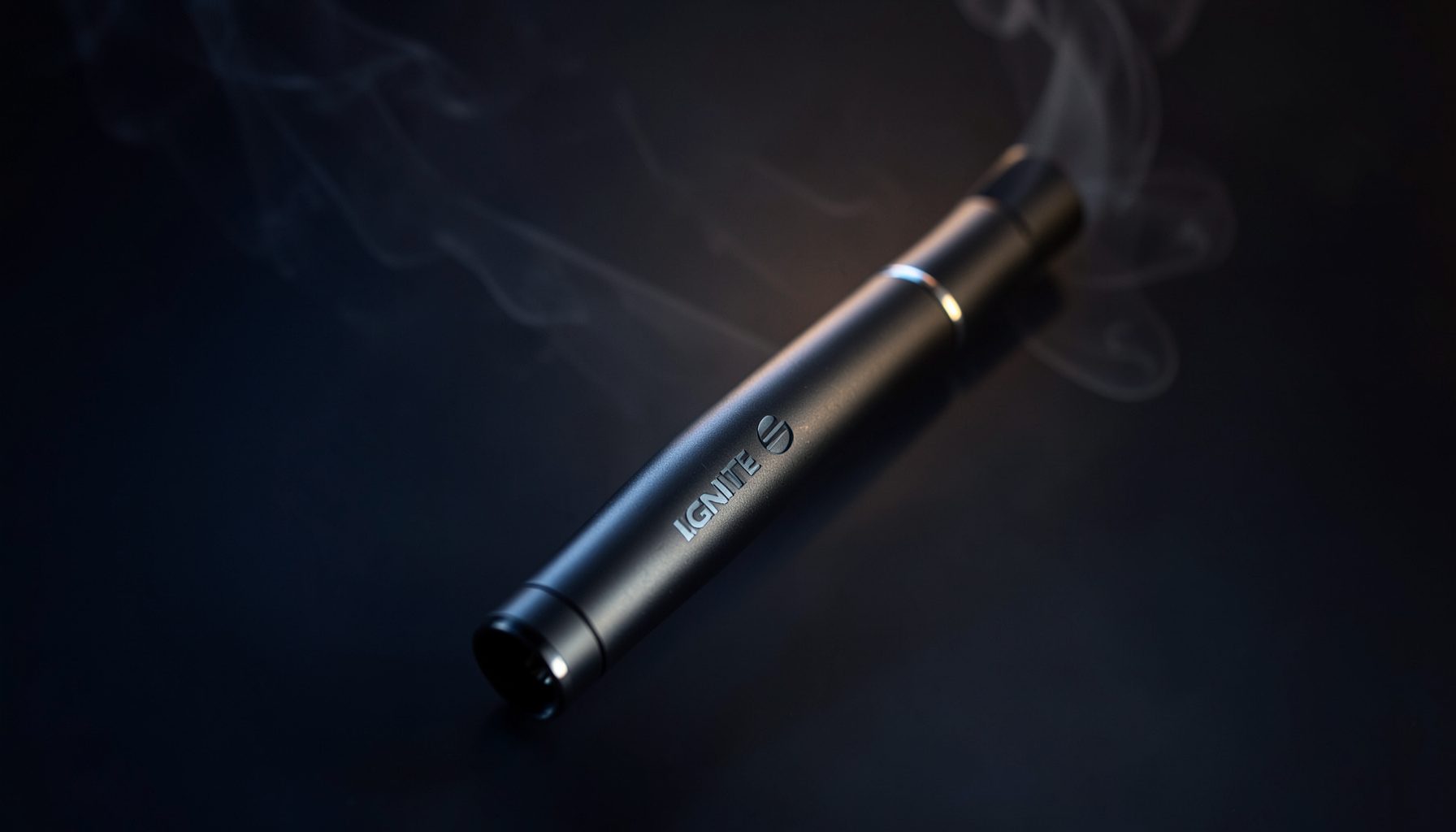
Inspect the device as well as the carton. The IGNITE logo should normally be positioned consistently, with a clean surface and controls or airflow openings that appear properly finished. Look for loose components, gaps in the casing, unusual adhesive marks and a mouthpiece that does not sit securely. None of these details alone proves counterfeiting, but they can indicate poor manufacturing or mishandling.
Aroma and flavour are secondary checks. If a product advertised as a familiar berry, tropical fruit or ice profile tastes strongly burnt straight away, that may indicate storage damage, a defective unit or an imitation. It is not a reliable authenticity test by itself, because taste perception and batch variation can differ.
Check codes without trusting them blindly
Some vape packaging includes a QR code, scratch panel, serial number or other verification feature. If present, scan it using a phone and check where it leads. A legitimate verification page should use a credible brand or authorised retailer domain, display information that matches the device and avoid demanding unnecessary personal details or payment.
A QR code can still be copied from genuine packaging and placed on counterfeit boxes. The result should therefore be treated as one piece of evidence rather than a guarantee. Check that the code is printed cleanly, that the serial or batch information is readable and that the information corresponds with the model and flavour in your hand.
Be wary of shortened links, strange domain names, urgent warnings and pages filled with unrelated advertising. Do not enter card details into a verification page merely because it displays an IGNITE logo. When in doubt, use the contact details published by the retailer or brand rather than replying to a message printed on suspicious packaging.
Match the device to the official range
A product listing should agree with the device’s model name, claimed puff category, flavour and visual design. For example, a V15, V25 and V60 should not be presented as interchangeable versions if the retailer describes them as separate product lines. A box that names one model while the device displays another is a clear inconsistency.
Check the spelling and structure of the flavour name too. Counterfeiters may create combinations that sound plausible but do not appear in the retailer’s catalogue. They may also use dramatic claims, unusually large puff figures or technical promises that are absent from normal product descriptions.
Australian shoppers should be particularly careful with overseas listings that use Australian currency but provide no Australian business details. A website can look local because it uses “.com.au” styling, Australian spelling or prices in dollars. Verify the contact address, returns process, delivery terms and whether the seller explains how its products fit Australian requirements.
Read the retail and regulatory signals
A reliable retailer should make basic commercial information easy to find. Look for a business name, contact method, shipping conditions, refund policy and product descriptions that are consistent across the catalogue. A checkout page that asks for cryptocurrency, uses multiple unrelated payment names or pressures customers with countdown offers deserves caution.
Australia’s nicotine vape market operates under a stricter therapeutic framework than many overseas markets. Since the 2024 changes, pharmacy supply and import controls have become central parts of the system, with further rules applying to retailers, manufacturers and consumers. State and territory requirements can also affect how vaping products are supplied and used. Branding cannot make an otherwise non-compliant product lawful.
This is where local buying habits matter. A shopper in Melbourne, Perth or regional New South Wales may see stock arriving through different distribution channels, while a “postie” delivery from an overseas warehouse may involve different packaging and customs risks from a purchase supplied through an Australian pharmacy. Local slang and an Australian-looking website do not establish local authorisation.
Compare the complete product picture
Authenticity is easier to judge when the listing, carton and device tell the same story. Save a screenshot of the product page, photograph the packaging before opening it and keep the invoice. These records help identify whether a mismatch existed at the time of purchase and give customer support something specific to investigate.
Use the following checks as a practical comparison rather than a pass-or-fail formula:
| Detail to compare | More reassuring sign | Warning sign |
|---|---|---|
| Logo and typography | Sharp, consistent branding across box and device | Uneven lettering, altered logo or awkward spacing |
| Model name | Same V15, V25 or V60 designation everywhere | Box and device show different models |
| Flavour | Name matches the current product listing | Unfamiliar flavour or exaggerated description |
| Security feature | Code leads to a credible verification page | Broken link, copied page or unrelated domain |
| Packaging quality | Clean print, sealed carton and readable information | Smudges, spelling errors or damaged seals |
| Seller details | Clear business contact and returns information | Anonymous seller, pressure tactics or payment demands |
| Australian suitability | Information reflects the current local market | Overseas-only claims presented as Australian stock |
A product that passes every visual check may still be defective, while an unusual package may simply reflect an older production run. Treat the evidence as a pattern. Several matching details from an established seller are more meaningful than one attractive hologram or QR code.
Keep a record before using it
If an IGNITE device appears suspicious, do not rely on it simply because the packaging looks professional. Photograph the front, back, base, barcode, batch details and device markings. Keep the receipt and note where it was purchased, when it arrived and whether the seal was intact.
Contact the retailer with those details and request a clear explanation. If the product leaks, becomes unusually hot, activates by itself or shows signs of battery damage, stop handling it and follow the seller’s safety and disposal instructions. Disposable vape devices contain batteries and should not be placed in ordinary household rubbish.
The most dependable view of authenticity comes from the whole chain: recognisable branding, consistent product information, credible verification, responsible retailing and packaging suited to the Australian market. A genuine-looking logo is useful evidence, but it is only one part of that chain.