
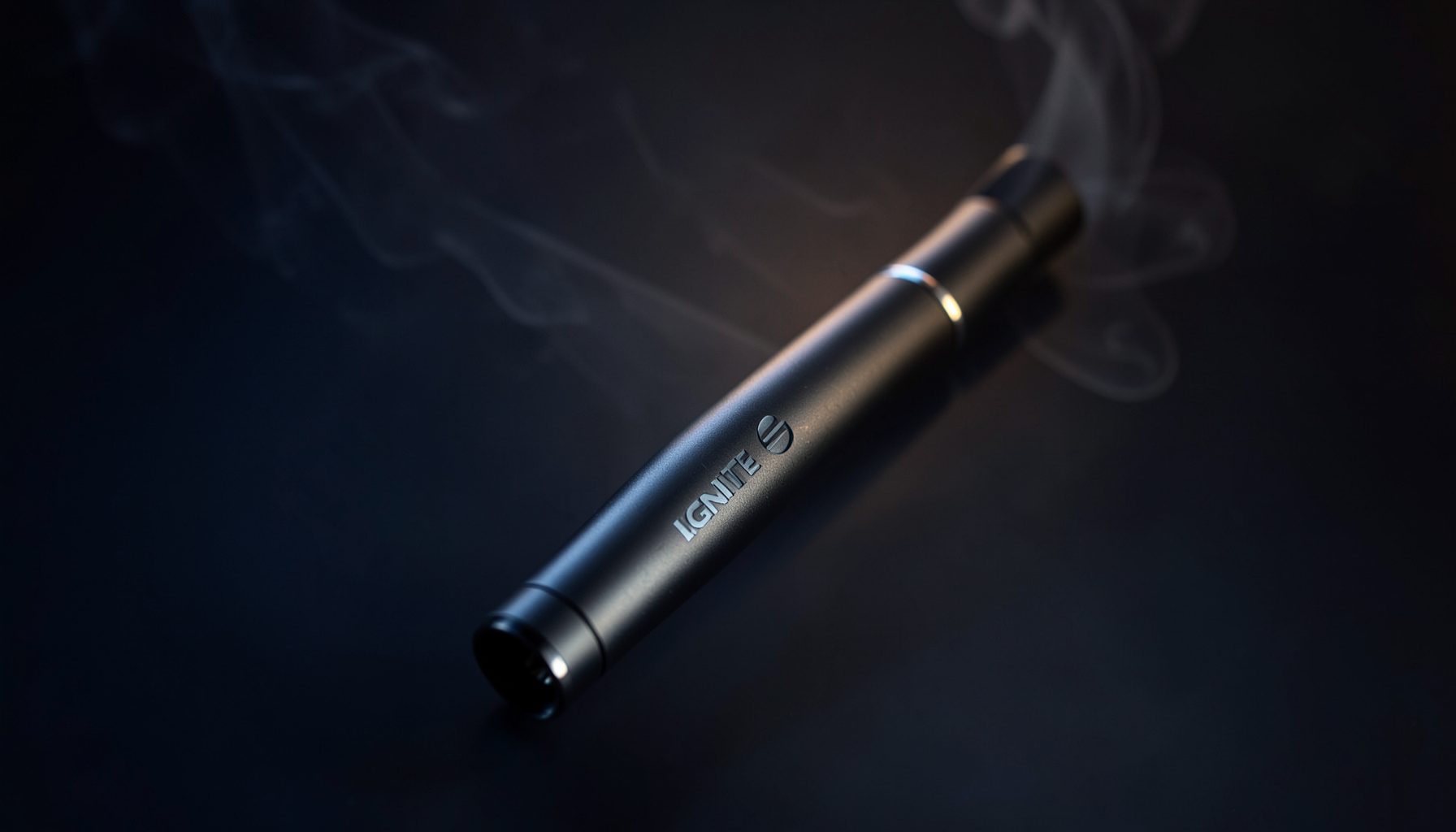
Why Dan Bilzerian started the IGNITE brand
Dan Bilzerian started IGNITE in 2018, with the first disposable vapes reaching the market the following year. His route into the company was distinctive: a former US Navy SEAL, he had built a public profile through fitness, podcasts and business ventures. IGNITE converted that profile into a consumer brand centred on design, flavour and personal identity.
The venture was not a conventional cigarette business. Bilzerian wanted a premium lifestyle name rather than an anonymous product with a logo, and he was willing to put his own reputation behind it. That choice gave IGNITE instant recognition while making every quality claim closely connected to the founder.
For Australian shoppers, the brand is visible through its V15, V25 and V60 disposable lines, with fruit, mint and iced flavour profiles. The practical question, though, is why someone with Bilzerian’s background would enter a fast-growing and heavily scrutinised nicotine category in the first place.
The answer combines commercial timing, military habits and a desire to control how vaping was presented. It does not erase the risks of nicotine or Australia’s strict rules for vaping products, which remain central to any responsible purchase. Nicotine is addictive, and vaping is not risk-free.
From Navy SEAL to founder
Bilzerian’s time in the US Navy SEALs taught him mission planning, preparation and follow-through. After leaving active service, he pursued entrepreneurial work, including fitness instruction and media projects. These experiences shaped a founder who valued a clear plan, visible execution and tight control over how a brand was delivered.
That background mattered because launching a regulated consumer category demands coordination between suppliers, design, logistics and marketing. Bilzerian also had direct access to a large online audience through his videos and podcasts. IGNITE gave that audience a product reflecting the energetic, disciplined image he had cultivated.
The opportunity he saw in vaping
By the late 2010s, disposable e-cigarettes were removing much of the friction associated with refillable devices. They were portable, ready to use and easy to place on a counter. Bilzerian saw an established habit meeting a format suited to online lifestyle retail, where presentation could influence a purchase as much as technical specifications.
He was not introducing vaping itself or inventing the disposable format; he entered as a brand owner with an unusual ability to market it. Fruit, mint and iced flavours provided familiar variety, while a coherent visual identity made the devices feel like a collection. The strategic idea was to sell a complete lifestyle choice rather than present vaping as another piece of hardware.
Designing a premium disposable range
IGNITE built its range around clear step-up choices. The V15 offered the shortest advertised capacity, the V25 sat in the middle and the V60 provided the longest advertised use. This simple ladder helped customers understand the line while giving the company room to cover different preferences for portability and endurance.
Premium positioning meant more than a higher price. It involved consistent finishes, distinctive packaging and flavours developed as part of a recognisable range. The devices remained nicotine products rather than therapeutic aids, so the branding focused on experience and identity, not health claims.
Building an identity beyond nicotine
The name IGNITE carries associations of energy and starting something, which suited Bilzerian’s own high-energy public persona. He became the face of the company rather than hiding behind a founderless corporate label. That approach made the brand distinctive, although it also ensured that controversies surrounding celebrity involvement travelled with the products.
Dan Bilzerian’s jewellery work, represented by his jewellery venture, extended the same founder-led lifestyle approach into another category. Together with the vape packaging and merchandise, it shows how Bilzerian treated the business as a personal brand ecosystem rather than a single product line.
The Australian market and regulatory setting
Australia creates a sharply different commercial environment from the United States. The Therapeutic Goods Administration regulates vaping products containing nicotine, and legal products must be included in the Australian Register of Therapeutic Goods. It is also illegal to supply vapes to anyone under 18, making age verification and controlled retail distribution essential to the Australian model.
State and territory rules add another layer. Licensed specialist vape shops can be found in cities such as Sydney, Melbourne and Brisbane, while some convenience stores sell vaping products under regulatory oversight. Launceston has hosted a pharmacy-led vaping trial since October 2024, reflecting the continuing debate over how tightly nicotine products should be controlled.
Price and border rules affect buying behaviour too. Federal excise duty has applied to vaping products since 1 July 2024, while GST and customs charges can affect overseas orders. Travellers should check current Australian Border Force guidance because personal import of nicotine vapes is tightly restricted. Retailers must also verify whether a particular device is authorised in Australia.
| Device | Advertised capacity | Format | Flavour direction | Main distinction |
|---|---|---|---|---|
| V15 | 15 puffs | Compact | Fruit and mint-led choices | Shortest advertised use |
| V25 | 25 puffs | Compact-to-medium | Fruit, mint and iced profiles | Middle capacity option |
| V60 | 60 puffs | Larger format | Broad fruit, mint and iced mix | Longest advertised use |
Puff counts are manufacturer claims, and these products are intended only for adults. Australian availability may differ, so buyers should check the ARTG listing rather than assuming an overseas website is lawful to sell locally.
The business case for a founder-led brand
Viewed as a business decision, the launch was about control, credibility and category timing. Bilzerian wanted ownership of the product story at a time when many disposable vapes looked interchangeable.
Motives behind the launch
- Convert a known personal audience into early trust for a new brand.
- Offer disposable devices with consistent design and presentation.
- Build an owned label rather than operate as an anonymous reseller.
- Use premium positioning instead of competing solely on price.
The identity was deliberately repeatable across products:
Choices that shaped the brand
- Keep the founder central to advertising and product launches.
- Use the V15, V25 and V60 names to make comparison easy.
- Build flavour choices around fruit, mint and iced profiles.
- Treat packaging and merchandise as parts of one lifestyle identity.
These choices explain why Bilzerian started IGNITE: he had the audience and business experience to organise a fast-growing product category around a name, a look and a story. The result also made the company unusually dependent on founder reputation, carrying the same visibility that differentiates the brand.