
Why IGNITE Vapes Are Not Recommended for Recharging
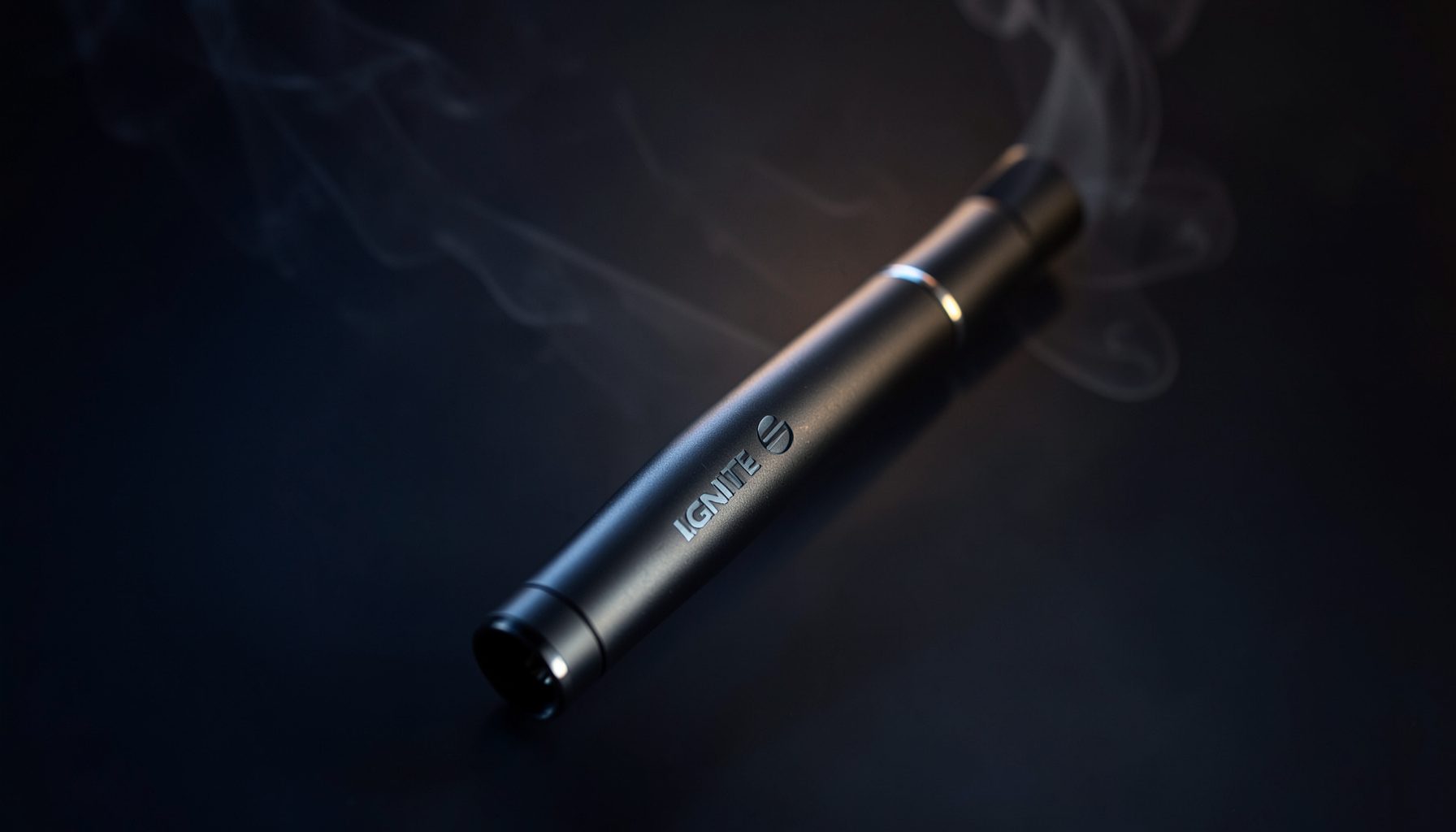
Disposable vapes are designed around convenience: use the device until its e-liquid or battery is depleted, then dispose of it responsibly. IGNITE product lines such as the V15, V25 and V60 are presented as disposable nicotine vape devices, so users should not assume that a charging port, removable battery or safe recharging circuit is included.
Trying to recharge a disposable device can create electrical, thermal and chemical hazards. This matters in Australia, where hot weather in cities such as Sydney, Melbourne and Brisbane can increase the strain on lithium-ion batteries left in cars, bags or direct sunlight. The safest approach is to follow the packaging and product instructions rather than modify the device.
Disposable and rechargeable devices differ
The main distinction is the battery system built into the product. A rechargeable vape is engineered with a charging circuit, a suitable port, battery protection and housing designed to tolerate repeated charging. A disposable vape generally uses a sealed battery intended to power the device for its usable life.
| Feature | IGNITE disposable vape | Rechargeable vape |
|---|---|---|
| Intended use | Single-use product | Repeated use |
| Battery access | Sealed inside the device | Designed for charging |
| Charging circuit | May not be present | Built into the device |
| E-liquid supply | Pre-filled and limited | Refillable or replaceable |
| End of service | Dispose of according to local rules | Recharge and maintain |
| Safe charging guidance | Do not improvise | Use the supplied or approved equipment |
The exact specifications can vary between models and markets, so the label remains the deciding source. A device that looks similar to a rechargeable pod system may still have no charging protection at all. A USB-shaped opening, airflow hole or decorative feature should never be treated as evidence that the battery can be charged.
The battery may lack essential protection
A lithium battery needs controlled voltage and current during charging. The charging circuit regulates that process and can help prevent overheating, overcharging and short circuits. A disposable vape may contain a cell and wiring without the components required for safe external charging.
Connecting wires, probes or an unsuitable cable directly to the battery bypasses those safeguards. The battery can heat rapidly, swell, vent gas or enter thermal runaway, a chain reaction that may produce fire. Puncturing, crushing or opening the casing adds further risks because the cell can be damaged even when it appears intact.
The risks are especially relevant during an Australian summer. Leaving a modified vape in a parked vehicle in Perth, Adelaide or regional New South Wales can expose it to severe heat. Charging beside bedding, clothing or other flammable materials also reduces the time available to respond if the device becomes hot or starts smoking.
The casing is not designed for repeated charging
A disposable vape is commonly sealed to protect its internal components from liquid, dust and everyday handling. Opening the casing can damage insulation, the battery wrap or the connection between the battery and heating coil. Once the housing has been forced apart, the device can become unsafe even if it still produces vapour.
Repeated charging can also place extra stress on the coil and wick. If the e-liquid is nearly finished, the coil may heat with too little liquid, creating a burnt taste and harsh vapour. Charging does not refill the liquid reservoir, so restoring battery power cannot make an empty disposable vape suitable for continued use.
Users should never attempt to refill a sealed IGNITE device or attach an external battery. These modifications alter the product beyond its intended design and can expose nicotine liquid to the skin or mouth. If liquid leaks, wash the affected skin promptly and keep the product away from children and pets.
Warning signs that require caution
A disposable vape showing unusual behaviour should be removed from use, not connected to a charger. Heat, swelling, hissing, a chemical smell or visible damage can indicate a battery or internal component problem. Do not place a questionable device in a pocket, car console or household drawer.
Useful warning signs include:
- The casing becomes hot while sitting unused
- The device is swollen, cracked or leaking
- A burnt smell or unusual odour develops
- The device activates by itself
- It makes hissing, popping or other unexpected sounds
If a vape is smoking or burning, move away and call emergency services on 000 when there is an immediate danger. Do not handle a swollen or burning lithium battery with bare hands. Damaged batteries should be managed through appropriate e-waste or battery-recycling channels rather than placed loosely in a rubbish bin.
Australian rules affect disposal and purchasing
Vaping regulation in Australia is closely linked to therapeutic goods law, and requirements have tightened in recent years. Supply, importation, advertising and access rules can apply differently from ordinary consumer products. Disposable vapes may also be subject to specific restrictions, so buyers should check current guidance from the Therapeutic Goods Administration and their state or territory authorities.
Pharmacy arrangements and prescription requirements have changed over time, while state rules can differ in places such as Victoria, Queensland and Western Australia. In practical terms, customers should verify that a product is lawful to obtain and use where they live. A retailer’s online catalogue does not replace official Australian regulatory advice.
Disposal is another local consideration. In Australia, lithium batteries should be separated from general household waste where facilities are available. Councils and services such as household battery collection points may accept small batteries, although disposable vape acceptance varies. In Melbourne, Canberra or the Gold Coast, local council instructions are more reliable than assuming a device belongs in the recycling bin.
What to do when the device stops working
A disposable vape may stop producing vapour because the battery is depleted, the e-liquid has run out, the airflow sensor is blocked or the device has developed a fault. None of these conditions makes improvised charging safe. If the product is new and fails shortly after opening, keep the packaging and contact the retailer rather than dismantling it.
Before ordering, check the model description, flavour, nicotine information and intended use. IGNITE ranges can include fruit, mint and iced profiles, but flavour does not indicate whether a product is rechargeable. Customers reviewing an order can use the IGNITE shopping cart, while product-specific questions should be directed to the store’s support team before use.
Do not use a cable from a phone, laptop or power bank unless the device is explicitly identified as rechargeable and the manufacturer provides compatible charging instructions. A cable that fits physically may still deliver unsuitable power or connect to components never designed for charging.
Safer handling from purchase to disposal
Keeping the device in its original condition is the simplest way to reduce avoidable battery hazards. Store it somewhere cool and dry, away from direct sunlight, water, children and animals. Avoid carrying loose vapes alongside keys or coins, since metal objects can contribute to a short circuit if exposed contacts are present.
Practical handling habits include:
- Read the packaging before first use
- Keep the device away from hot cars and windowsills
- Stop using it if it leaks, swells or overheats
- Never open, refill or connect it to an improvised charger
- Use local battery or e-waste guidance when disposing of it
A disposable IGNITE vape should be treated as a sealed, finite-use product rather than a small rechargeable appliance. When the battery or liquid is exhausted, replacing the device through a lawful supply channel and disposing of the old one responsibly is safer than attempting to extend its life.