
Why IGNITE Vapes Are Sold Without a Charging Port
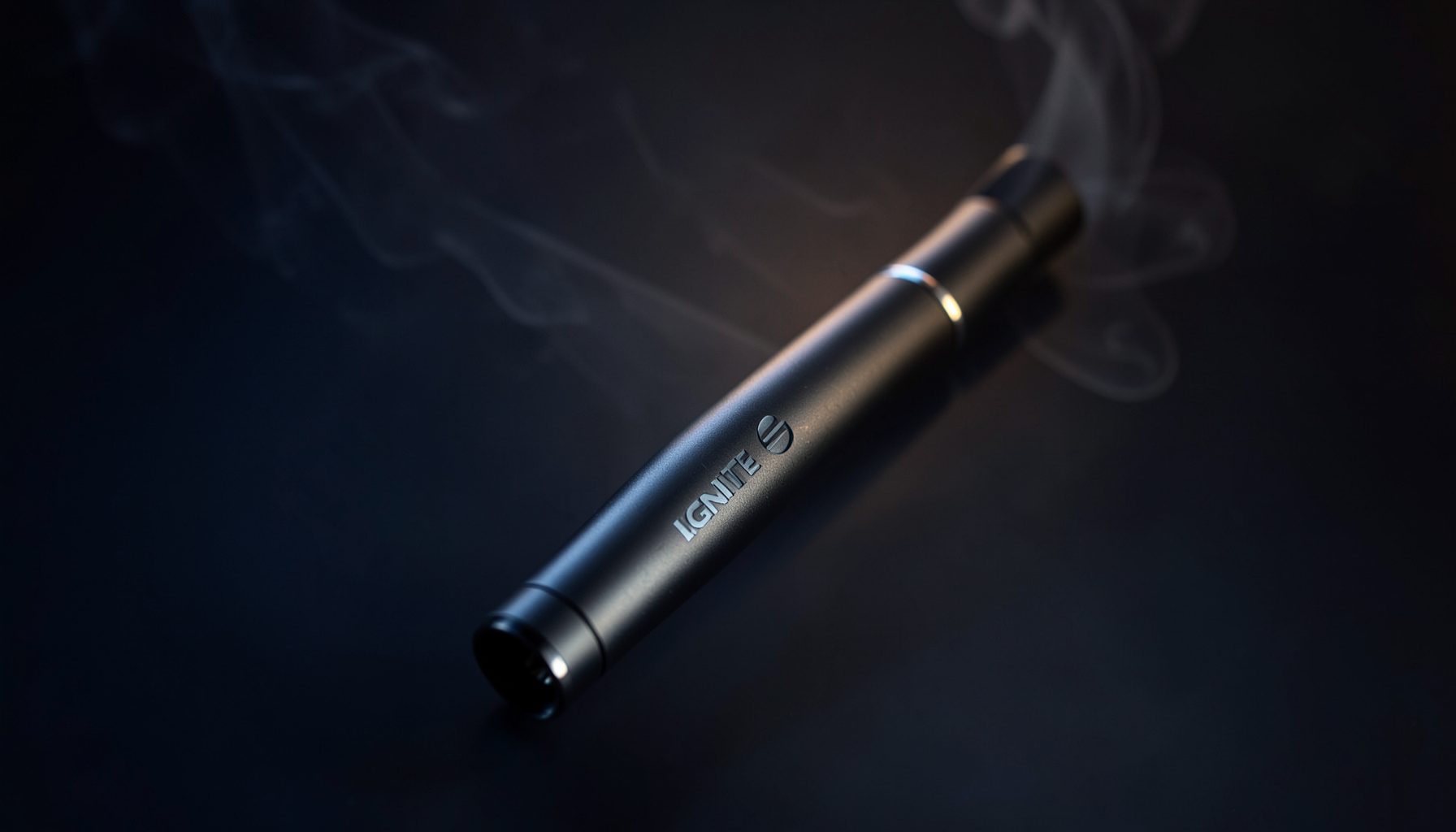
IGNITE disposable vapes are designed to be used until their pre-filled e-liquid or built-in battery is depleted, then replaced. Unlike pod systems and box mods, they are not intended to become a permanent device with a rechargeable power cell.
The absence of a USB-C or micro-USB port is therefore part of the product design. It helps keep the body sealed, reduces the number of components, and supports the simple “open, use, dispose” format associated with the V15, V25 and V60 lines.
For Australian customers, the practical question also involves storage, disposal and local vaping rules. Products sold online may be described as lifestyle items, yet nicotine vape access, importation and supply are regulated in Australia, with requirements that can differ between states and territories.
A sealed design keeps the device simple
A disposable vape contains several small components: a battery, a heating coil, an airflow sensor, wiring and a reservoir containing e-liquid. A charging port would require an opening in the casing, extra electrical controls and protection against incorrect charging.
Keeping the casing sealed can reduce the chance of liquid leakage, dust entry and accidental contact with internal electronics. It also allows the device to remain compact and lightweight, which suits people looking for a pocket-sized vape rather than a larger refillable setup.
The same approach is common across many disposable nicotine vape brands. It is less about a missing feature and more about matching the hardware to a limited-use product.
The battery is matched to the e-liquid capacity
IGNITE disposables are generally engineered so the integrated battery has enough capacity to heat the coil for the expected amount of e-liquid. When the liquid runs out, the battery is usually close to its intended service limit as well.
A charging port would only be useful if there were still e-liquid available after the original battery charge was exhausted. In a well-matched disposable, the battery and liquid capacity are planned as a pair. Recharging an empty device would create little benefit because the heating element would have nothing left to vaporise.
Several factors affect how long the device lasts:
- Puff duration and frequency
- Ambient temperature and storage conditions
- The chosen device line and stated puff capacity
- Airflow strength and coil performance
- How long the product has been stored before use
Fewer charging parts mean fewer failure points
Rechargeable vapes need a charging circuit, a port, a battery management system and safeguards against overcharging or short circuits. Those components add cost and can fail through wear, moisture, physical damage or poor-quality cables.
A non-rechargeable IGNITE device avoids many of these issues. There is no cable to carry, no charging indicator to monitor and no need to leave the vape connected overnight. For someone moving around Brisbane, Perth or Melbourne, that convenience can be a major part of the disposable format.
This does not mean a sealed vape is risk-free. It still contains a lithium battery and should be kept away from heat, water and metal objects such as loose keys. A device that becomes hot, damaged, swollen or unusual in appearance should not be used.
Convenience comes with environmental trade-offs
The compact format creates less work for the user, but it creates a waste-management challenge. A disposable vape combines plastic, electronics, a battery and residual e-liquid in one item. It should never be placed in a fire, crushed or dismantled at home.
Australia has growing battery-recycling services, although collection options vary by council and location. A household recycling bin is generally unsuitable because lithium batteries can cause fires in waste trucks and processing facilities.
Responsible handling includes:
- Keeping used devices away from children and pets
- Storing them separately from loose batteries and metal objects
- Taking them to an approved battery or e-waste collection point
- Following local council instructions for vape and lithium-battery disposal
- Never attempting to recharge or refill a sealed disposable
A trip to the local tip, transfer station or battery drop-off point may be more appropriate than placing the device in the yellow recycling bin. Customers in regional areas should check their council’s accepted-waste list before disposal.
Why recharging a disposable can be unsafe
A disposable vape does not have the same charging controls as a purpose-built rechargeable device. Attempting to attach wires, use an improvised adapter or modify the casing can damage the battery and create a short circuit.
Lithium-ion and lithium-polymer cells can release significant heat when punctured, overcharged or exposed to an unsuitable current. The sealed body also makes it difficult to inspect the condition of the battery or confirm whether the charging connection is secure.
Signs that a device should be put aside include:
- Excessive heat during use or while resting
- Hissing, swelling, cracking or a chemical smell
- Leaking e-liquid around the mouthpiece or casing
- Sudden changes in vapour production or activation
- Visible damage from being dropped or crushed
If a disposable stops producing vapour, the cause may be an empty reservoir, a depleted battery, blocked airflow or a fault. A charging port would not make each of these problems disappear, and modifying the unit can make the situation more dangerous.
How Australian rules affect online purchases
Vaping regulation in Australia is different from the more open retail model used in some overseas markets. Since changes introduced from 1 July 2024, the importation and supply of vaping goods have been subject to tighter controls, and therapeutic vapes are managed through the pharmacy and therapeutic-goods framework.
Access conditions can also vary across New South Wales, Victoria, Queensland, Western Australia, South Australia, Tasmania, the Australian Capital Territory and the Northern Territory. State rules may cover possession, display, advertising, use in public places and where vaping products can be supplied.
That means an online catalogue for IGNITE devices does not automatically establish that every product, flavour or nicotine strength can lawfully be sold or delivered to every Australian address. Before ordering, adults should check current Therapeutic Goods Administration information and state or territory requirements. A pharmacy pathway may apply, and some products may not be authorised for ordinary consumer retail.
The flavour range—such as fruit, mint and iced profiles—may be presented as part of the brand’s premium lifestyle image, but marketing language does not replace Australian compliance obligations.
Disposable and rechargeable devices compared
Both device types can deliver nicotine vapour, but they serve different purposes. A disposable prioritises immediate use and minimal maintenance. A rechargeable pod system involves more setup but can reduce the number of complete devices discarded over time.
| Feature | IGNITE disposable | Rechargeable pod device |
|---|---|---|
| Charging port | Not included | Usually included |
| E-liquid | Pre-filled and sealed | Refillable or replaceable pod |
| Maintenance | Minimal | Requires charging, cleaning or pod changes |
| Battery use | Intended for one product cycle | Used across many cycles |
| Waste | Whole device discarded | Pods and coils discarded separately |
| Portability | Light and ready to use | Often larger or accompanied by a cable |
| Main safety concern | Battery damage and disposal | Charging, leaking and battery care |
The missing port is therefore a deliberate trade-off. It supports a sealed, ready-to-use product with a limited operating life, while avoiding the added hardware required for recharging. The cost is that the entire device becomes waste once its battery or e-liquid is exhausted.
For Australian users, product design is only one part of the decision. Legal supply, nicotine access, safe storage and correct battery disposal matter just as much as flavour, puff count or device size.