
Why IGNITE vapes use a draw-activated firing mechanism
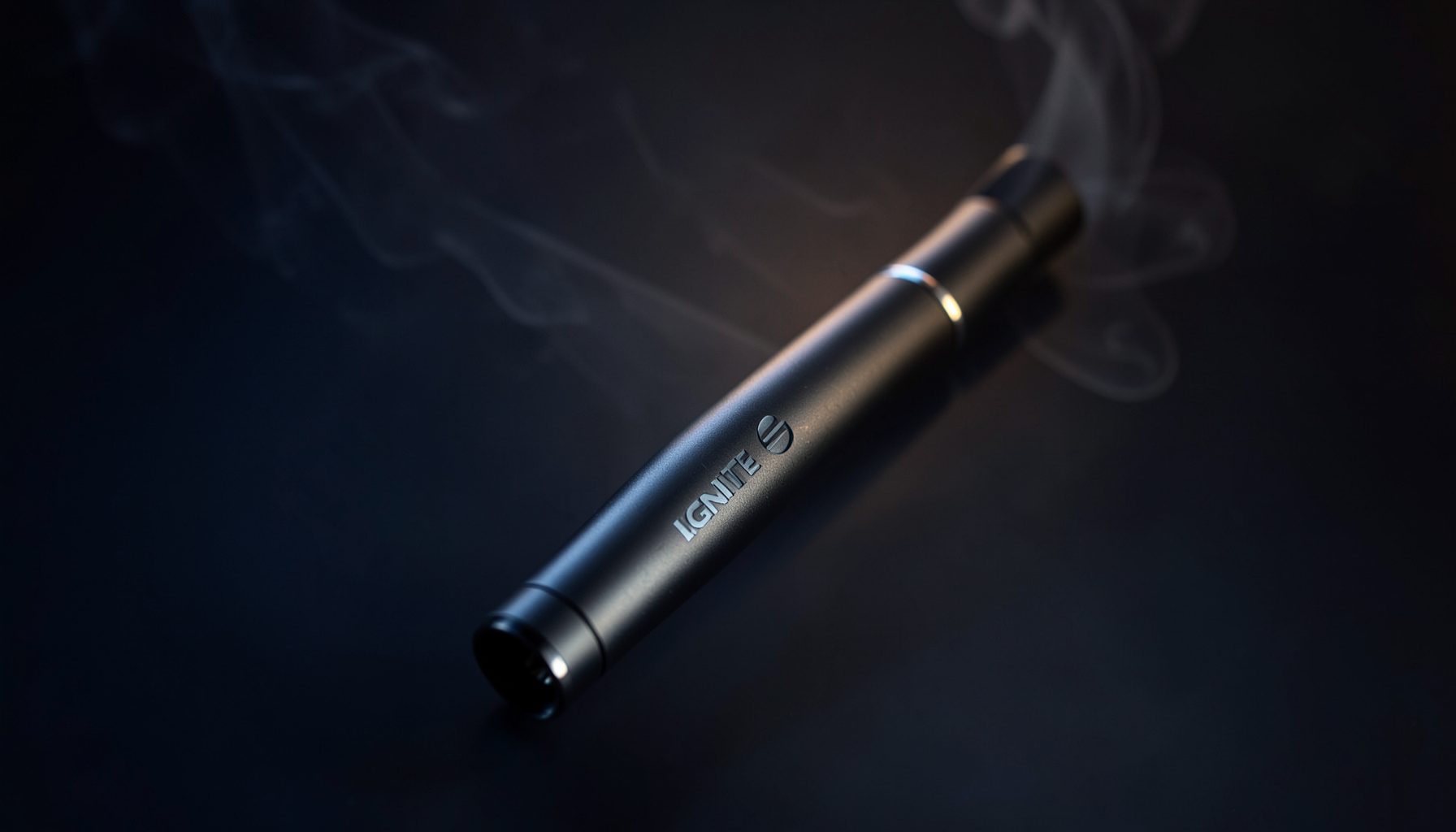
IGNITE disposable vapes are designed around a simple user action: inhale through the mouthpiece. Instead of pressing a physical button, the device detects airflow and activates the internal heating system. This approach is commonly called draw activation, inhale activation, or an automatic firing mechanism.
The design suits disposable vape devices because it keeps the exterior compact and straightforward. With no firing button to locate or hold, the user can focus on the draw, while the internal sensor and control chip manage the short heating cycle.
IGNITE offers several device lines, including the V15, V25, and V60, with fruit, mint, and iced flavor options. Although features can vary between models, the basic principle remains the same: airflow triggers the battery, the battery powers the coil, and the coil vaporizes the e-liquid.
How draw activation works
Inside an IGNITE device, a small airflow or pressure sensor monitors changes in air movement. When a user inhales, air passes through the device and creates a pressure difference. The sensor recognizes this change and sends a signal to the control circuit.
The control board then connects the battery to the heating coil. The coil warms rapidly and turns the e-liquid held in its wick or pod material into an aerosol. Once the user stops drawing, airflow returns to normal and the circuit ends the heating cycle.
This process takes place in a fraction of a second. The result is an automatic vape that responds directly to inhalation, without requiring a separate button press.
Why the design suits disposable devices
A disposable vape is intended to be ready to use with minimal setup. A draw-activated firing system supports that purpose by removing an extra control from the exterior. There is no button to unlock, press repeatedly, or adjust during a normal inhale.
The absence of a firing button also allows manufacturers to maintain a streamlined body. Fewer external openings and moving parts can help create a cleaner form, which is useful for compact devices such as the IGNITE V15 and V25. Larger-capacity lines such as the V60 can use the same operating concept while offering a different overall size or usage capacity.
Automatic activation also makes the interaction more consistent for people who prefer a cigarette-style draw. The device starts when inhalation begins and stops when inhalation ends, creating a direct relationship between the user’s action and the vapor output.
Automatic firing compared with button activation
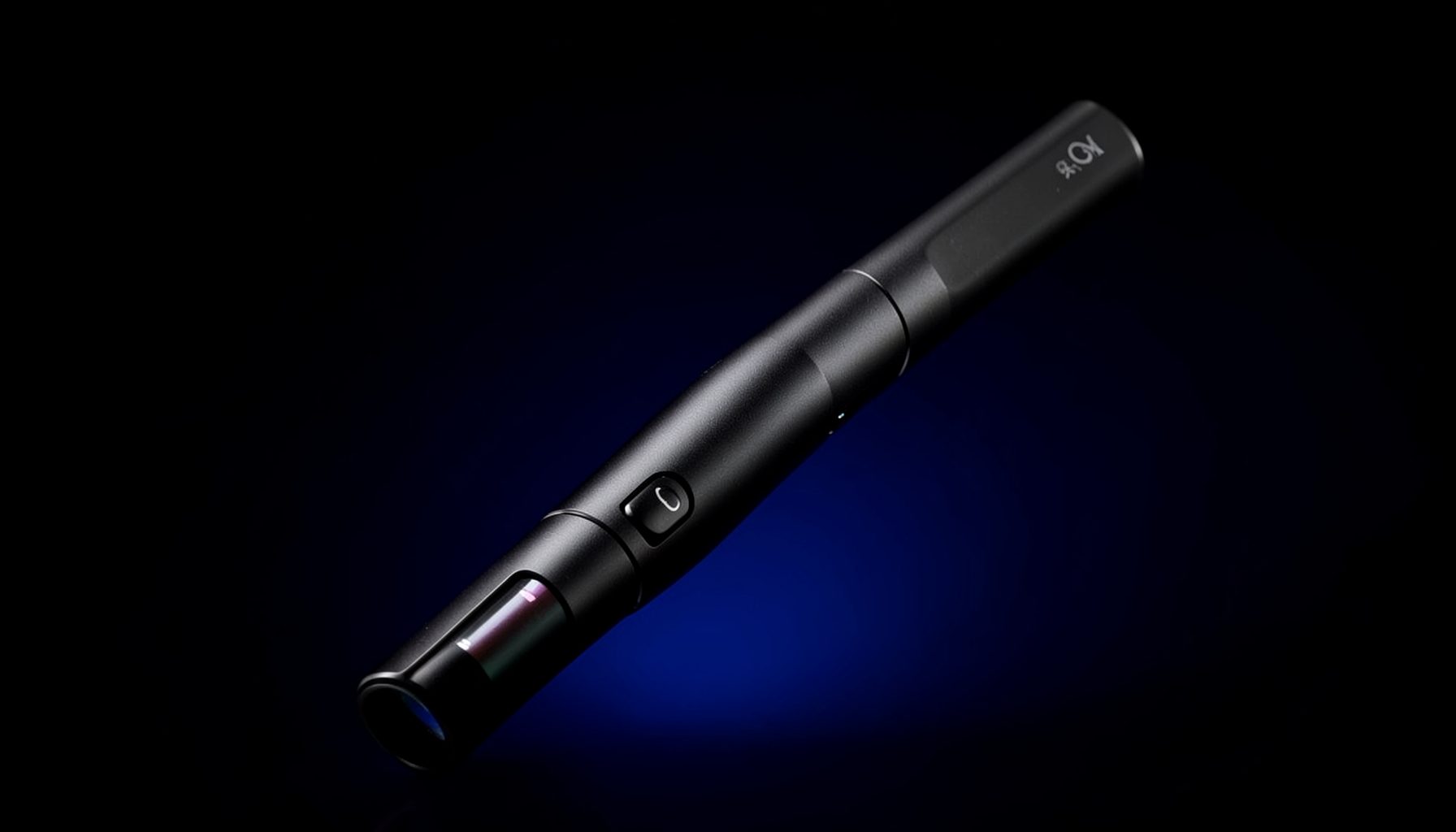
Draw-activated and button-activated vapes can both power a heating coil, but they provide different operating experiences. A manual device requires the user to press a button while inhaling. An automatic vape relies on the airflow sensor to start the cycle.
| Feature | Draw-activated IGNITE device | Button-activated vape |
|---|---|---|
| Starting the device | Inhale through the mouthpiece | Press a firing button while inhaling |
| External controls | Usually no firing button | Includes a physical control |
| Ease of use | Ready when the draw begins | Requires coordination between button and draw |
| Device design | Compact and streamlined | May need space for the button and control housing |
| Accidental activation | Sensor-based, with protective cutoff features | Button can be pressed unintentionally if stored carelessly |
| User control | Usually automatic | May offer greater control over firing and settings |
For a disposable product, automatic activation is often a practical choice. It supports immediate use while limiting the number of user-operated components. Button-operated devices may be better suited to advanced users who want adjustable power or manual control, but those features are less central to a prefilled disposable.
The role of the battery and coil
The draw sensor does not create vapor by itself. It initiates a sequence involving the battery, control board, coil, wick, and e-liquid reservoir. When the sensor detects an inhale, the battery supplies a controlled amount of power to the coil.
The coil’s resistance and the control circuit determine how quickly it heats. The wick carries e-liquid toward the coil, where the liquid is converted into inhalable aerosol. The balance between airflow, power, coil design, and liquid delivery affects the character of each draw.
A good automatic system must respond quickly without continuing to fire after the inhale ends. Devices commonly include an automatic cutoff to limit the length of a single activation. This helps prevent extended heating if the mouthpiece is covered or the sensor receives an unusual airflow signal.
A simpler experience for everyday use
Many users choose disposable vapes because they do not want to manage external settings, refill bottles, or replace coils. Draw activation supports that low-maintenance format. The device is generally operated by removing its packaging protections, placing the mouthpiece correctly, and inhaling.
The design can also make the device feel more familiar to people accustomed to inhaling from a traditional cigarette. The user does not need to learn a firing sequence or adjust wattage before taking a draw. That simplicity is especially relevant when selecting among flavor-focused options, such as fruit, mint, and iced profiles.
However, automatic firing does not mean the device requires no care. The mouthpiece should be kept clear, and the vape should be stored away from excessive heat, moisture, children, and pets. Users should follow the product instructions and local rules for nicotine products.
What can affect automatic activation
Draw sensors depend on airflow and pressure changes, so performance can be affected when the air path is obstructed. Lint, condensation, e-liquid residue, or debris near the mouthpiece may make activation inconsistent. A very weak draw may also fail to produce the pressure change needed to trigger the sensor.
Occasionally, a device may activate unexpectedly if it is exposed to strong airflow or if the sensor area has become contaminated. If a vape becomes hot, produces vapor without being inhaled, shows signs of damage, or behaves unusually, it should be set aside and handled according to the manufacturer’s safety guidance.
Battery level can influence the experience as well. As the available charge declines, vapor production may become weaker or the device may stop firing. Since disposable models are not intended for user servicing, a device that has reached the end of its usable life should not be opened, modified, or recharged unless it is specifically designed for that purpose.
Points to consider before choosing a model
The firing mechanism is shared across many automatic vape products, but the overall experience can vary by model. Capacity, physical size, airflow design, nicotine strength, flavor profile, and expected puff count may all influence which IGNITE device fits a particular preference. Product details should be checked on the relevant listing because specifications can differ between the V15, V25, and V60.
Before ordering, consider these practical points:
- Choose a nicotine strength that matches your personal needs and local regulations.
- Check the flavor description to distinguish fruit, mint, and iced profiles.
- Review the listed capacity, puff estimate, and device dimensions.
- Keep the vape upright and protected from heat, children, and pets.
- Stop using any device that leaks, overheats, is damaged, or activates on its own.
IGNITE’s draw-activated system is built around convenience, rapid response, and a clean disposable format. The sensor replaces a physical firing button, while the battery and coil provide the heating action behind each draw. Browse the available IGNITE V15, V25, and V60 options at Ignite Vape Store to compare flavors and device specifications, then select an age-appropriate product in line with local nicotine laws.